Technical trends and market forecasts of high-voltage connectors

As the market explosiveness of new energy vehicles continues to increase, the market size of automotive connectors continues to expand. According to Bishop & Associates (a global connector market research organization), the global automotive connector market size will reach US$19.452 billion in 2025, of which China's automotive connector market will account for 23% of the total, with a size of approximately US$4.468 billion. China is the world's largest automobile producer and also a leading country in the research and development and output of new energy vehicles. In the next few years, the size of China's on-board connector market is expected to exceed the forecast of Bishop & Associates.

HV sockets

High-voltage connector technology: high standards

The so-called "high-voltage connector" is a connector that serves the high-voltage system in the car. Traditional fuel vehicles mainly rely on engines and fuel to meet the requirements of the car for mechanical kinetic energy, and do not have too many requirements for voltage; while electric vehicles use electricity as energy, and use power batteries, drive motors, and drive motor controllers to complete the kinetic energy supply of the car, which puts forward higher standards for the voltage and current carrying capacity of related components.

High-voltage connectors and electric vehicles are interdependent. In 2009, my country issued the "Automotive Industry Adjustment and Revitalization Plan" and launched the "Ten Cities, Thousand Vehicles" subsidy plan to promote new energy vehicles. Since then, my country's high-voltage connectors have continued to move forward with the pace of new energy vehicles, and have developed to the fourth generation by 2022.


HV connectors


Xu Ping'an, chief technology officer of Basba, told us that the newly added "secondary unlocking" function of the third-generation product can protect the core electrical parts of the product and ensure the safety of users; the fourth-generation product is smaller in size, has a higher current density, and a controllable temperature rise, providing better safety and reliability for high-power charging and discharging. Basba New Energy Technology Co., Ltd. is a company focusing on high-voltage connection system solutions for electric vehicles, with 12 years of experience in the research and development of vehicle-mounted connectors. High-voltage vehicle-mounted connectors are mainly used in lithium batteries, motors, electronic controls, DC/DC converters, OBCs, PDUs and other systems, and work together with high-voltage wiring harnesses to transfer battery kinetic energy to various components with the help of high-voltage and high-current lines. Different system components and differences in the cross-sectional area of ​​wires have different electrical performance requirements for vehicle-mounted connectors. Generally speaking, the rated voltage values ​​of high-voltage connectors range from 60v to 1500v, and the rated current values ​​range from 20A to 300A. In addition, vehicle-mounted connectors also have high requirements for the mechanical and environmental performance of products. High-quality high-voltage connector products must pass various mechanical performance tests, environmental tests, and electrical performance tests, such as terminal retention, connector plug-in and pull-out force, drop test, 960H neutral salt spray test, 1008H aging test under 125℃ environment, -40℃~125℃ hot and cold shock, etc. As electric vehicles continue to move towards fast charging and super charging, various new energy vehicle companies are constantly improving the vehicle voltage platform. 2022 will be the first year for the upgrade from 400v to 800v high-voltage platform. The new challenges brought to high-voltage connectors are still concentrated on the electrical level. Can the rated voltage and rated current be further improved? And how to deal with the high temperature hazards caused by high-power current? The fifth-generation high-voltage connector is very likely to combine with liquid cooling technology to meet electrical and temperature requirements.


Supply and demand side of high-voltage connectors: large market

New energy vehicles can be divided into two categories: new energy passenger vehicles and new energy commercial vehicles according to their use.

According to the data of China Automobile Association, from January to September this year, the cumulative sales of new energy passenger vehicles reached 4.363 million units, a year-on-year increase of 111.5%; the cumulative sales of new energy commercial vehicles reached 204,000 units, a year-on-year increase of 80.1%. New energy passenger vehicles and commercial vehicles are driving the continuous expansion of the market for high-voltage connectors. In the field of low-voltage connectors, due to the difference in the time of automobile manufacturing, the technical patents have long been in the hands of foreign car companies, and the gap between the domestic and foreign low-voltage connector markets is significant. If the short board of my country's on-board connectors is the low-voltage connector, then the long board is at the end of the high-voltage connector. This is due to the rapid development of my country's new energy vehicles. Domestic car companies are keeping pace with foreign car companies, and even beautifully surpassing and leading. In the field of new energy commercial vehicles, high-voltage connectors have achieved a localization rate of nearly 100%, and have also surpassed foreign countries in terms of technology. my country's high-voltage connectors used in new energy commercial vehicles use integrated panels and have developed for many generations, while similar foreign products still retain the traditional lock body structure. At the same time, my country's new energy passenger car high-voltage connectors are also constantly increasing the domestic penetration rate. At present, the major enterprises in my country that have deployed high-voltage connectors for passenger cars include Rekoda, AVIC Optronics, Basba, Yonggui Electric, and Sunco Intelligent. Basba revealed that the localization rate of high-voltage connectors for passenger cars has exceeded 60%. In addition to the localization rate, high-voltage connectors are also far more valuable than low-voltage connectors. Since the battery pack capacity of new energy commercial vehicles is several times that of passenger car battery packs, the value of commercial vehicle high-voltage connectors is higher than that of passenger car high-voltage connectors.


High Voltage Plug


The future of high-voltage connectors: modularization

The technical orientation of supercharging and fast charging for new energy vehicles also affects the on-board connectors. As the battery capacity increases, the body becomes heavier and heavier, and the connectors and wiring harnesses are used more and more. Therefore, the modularization of components becomes more and more important.

The modularization of high-voltage connectors has many benefits. "Multifunctional integration and modularization can better meet the safety requirements of the whole vehicle. Lightweight, easy installation, lower cost, improved aesthetics, etc., these are the benefits of modularization and integration." Regarding the development trend of high-voltage connectors, Xu Ping'an, chief technology officer of Basba, also emphasized modularization and lightweight. In addition, the electromagnetic compatibility and volume current ratio capabilities of my country's high-voltage connectors and wiring harness assemblies also need to be continuously improved. The research and development certification of automotive-grade connectors is different from that of other types of connectors. For safety, reliability, and durability considerations, the total cycle of product self-certification plus customer certification is longer. High-voltage connectors and new energy vehicles are a "community of destiny". Riding the wind of new energy vehicles, the high-voltage connector market is soaring.

What are the processing procedures for high-voltage wiring harnesses in new energy electric vehicles?

With the rapid development of the global new energy vehicle industry, high-voltage wiring harnesses, as the "major arteries" for energy transmission in electric vehicles, their processing quality directly affects the safety and reliability of the entire vehicle. Compared with the low-voltage wiring harnesses of traditional fuel vehicles, the high-voltage wiring harnesses of new energy vehicles need to withstand working voltages of 300V to 800V and large currents of over 200A, which puts forward higher requirements for material selection, production processes and quality control.


As a professional automotive wiring harness manufacturer, Aichie Tach Manufacturing has supply high-voltage cable assemblies solutions for over 30 new energy wiring harness customers. Its products have passed international certifications such as IATF16949/UL/CE/TUV.


I. Selection of Core Materials for High-Voltage Wiring Harnesses

Conductor material: Multi-strand twisted copper wire (cross-sectional area 16mm²-150mm²) is adopted, with tin plating to enhance oxidation resistance. Silver-plated copper wire is used in special scenarios to reduce contact resistance

2. Insulating materials: Cross-linked polyethylene (XLPE), silicone rubber or polytetrafluoroethylene (PTFE), with a temperature resistance grade of 150℃-200℃

3. Shielding layer: Double-layer shielding structure (aluminum foil + braided copper mesh), with a shielding coverage rate of ≥85%, effectively suppressing electromagnetic interference

4. Sheath material: Flame-retardant TPE or TPU material, which has passed UL94 V-0 flame-retardant certification, and the wear resistance coefficient needs to meet the industry standardHV Cables


II. Wiring harness design Verification Stage

1. 3D wiring simulation: Utilize CATIA software to simulate the layout of the entire vehicle wiring harness, avoiding mechanical interference and electrical performance calculation in heat source areas: Accurately calculate voltage drop (≤3%), temperature rise (ΔT≤40℃), and current-carrying capacity margin

2. EMC simulation test: Predict the electromagnetic radiation value through CST software and optimize the shielding layer structure

3. Sample environmental testing: Conduct a 2000-hour salt spray test, 3,000 plug-and-pull tests, and a temperature shock test ranging from -40 ° C to 150 ° C

 chevrolet volt high voltage cable assembly

III. Core Processing Technology Flow

(1) Cable pretreatment

1. Automatic wire cutting: A servo-driven wire cutting machine is adopted, with the precision controlled within ±1mm. The cut surface should be smooth and free of burrs

2. Laser marking: Use ultraviolet laser to engrave line numbers, specifications and other information on the surface of the sheath, with a depth of 0.15-0.3mm

3. Terminal crimping: Completed by a fully automatic crimping machine, with a crimping height tolerance of ±0.02mm. The metallographic analysis of the profile must meet the VW60330 standard

4. Shielding treatment: Double-layer shielding layers are treated separately, with 360° aluminum foil covering and copper mesh braided density ≥90%

(II) Component Assembly

Injection molding: A vertical injection molding machine is used, with the mold temperature controlled at 80±5℃. The holding time is set according to the thickness of the material

2. Waterproof treatment: A double sealing structure (rubber gasket + potting compound) is adopted, with a protection level reaching IP67/ IP6K-9K

3. Assembly of high-voltage connectors: The pneumatic crimping equipment applies a torque of 50-80N·m, and the contact resistance is less than 0.5mΩ

4. Wire harness binding: High-temperature resistant cable ties are fixed at intervals of 150-200mm, with a bending radius of no less than 5 times the wire diameter

(3) Process Inspection

1. Online high-voltage testing: 2000V DC withstand voltage test (leakage current < 1mA/min), 1500V insulation resistance test

2. Conduction test: The micro-resistance tester detects the circuit impedance, with a deviation value of no more than 5%

3. Mechanical property test: Maintain a tensile force of 35kg for 1 minute, and the terminal displacement should be less than 0.2mm

4. Air tightness test: 3kPa air pressure test, leakage < 5mL/min


design high voltage cable assemblies


IV. Breakthroughs in Key Technologies of the industry

Lightweight technology: Aluminum wires are used to replace copper wires, reducing weight by 30% while maintaining electrical conductivity

2. Modular design: Develop integrated high-voltage distribution boxes to reduce connection nodes by more than 50%

3. Automated production: The introduction of six-axis robots enables automatic wiring, increasing efficiency by 40%

4. Intelligent detection System: By applying machine vision and AI algorithms, the defect detection rate has been increased to 99.8%


V. Key Points of Quality Control

1. Cleanliness management: The production environment maintains the ISO 14644-1 Class 8 cleanliness standard

2. Traceability System: Establish an MES production traceability system, with key parameters retained for at least 10 years

3. Process capability index: Critical dimensions CPK≥1.67, electrical characteristics CPK≥1.33

4. Aging test: 100% of the products undergo a 72-hour live aging test

 3 phase high voltage cable assembly ev


VI. Industry Development Trends

Voltage platform upgrade: Develop new materials capable of withstanding 1000V for 800V high-voltage systems

2. Integrated development: Integrate fuses and current sensors into the wiring harness assembly

3. Application of liquid cooling technology: Development of integrated high-voltage wiring harnesses with cooling pipelines

4. Sustainable manufacturing: Establish a copper material recycling system, and increase the material utilization rate to 98%


The processing of high-voltage wiring harnesses for new energy vehicles is a deep integration of precision manufacturing and intelligent technology. From conductor selection to assembly testing, each link needs to strictly follow standards and specifications such as IEC 62196 and GB/T 18487. With the increase of voltage platforms and the development of intelligent driving, high-voltage wiring harnesses will evolve towards high integration and intelligence in the future. Aichie will continue to improve its process technology and establish a full life cycle quality management system to provide reliable guarantees for the safe operation of new energy vehicles.

What is a high-voltage wiring harness for Electronic Vehicles?

Automotive high-voltage wiring harnesses are a type of cable system that has gradually become a key element along with the popularization of automotive technology, especially electric and hybrid vehicles. The following is a detailed introduction to automotive high-voltage wiring harnesses:


I. Definition and Function of HV Cable Harness

High-voltage wiring harnesses refer to cable systems used for transmitting high-voltage power signals and are mainly applied in electric vehicles and hybrid vehicles. These wiring harnesses are usually connected to batteries, inverters and motors to ensure the efficient transmission of electrical energy.


II. HV EV Cable Assembly Composition

High-voltage wiring harnesses are usually composed of the following parts:

1. Conductor: It is usually made of copper or aluminium and has good electrical conductivity.

2. Insulation layer: The key to preventing current leakage and short circuits. Insulating materials are usually cross-linked polyethylene (XLPE) or fluoroplastics, which can withstand high temperatures, are wear-resistant and have excellent electrical insulation properties.

3. Sheath: The outer protective layer of high-voltage wiring harnesses is usually made of materials that are resistant to high temperatures, oil and chemical corrosion.

4. Connector: It is used to connect the wiring harness with devices such as batteries and inverters. High-voltage connectors need to have excellent waterproof, dustproof and shockproof capabilities to adapt to the complex automotive working environment.


III. Characteristics and Requirements

1. Security

The design and manufacture of high-voltage wiring harnesses are directly related to the safety of automobiles. As high-voltage wiring harnesses carry the electrical energy of electric vehicles, once a fault occurs, it may lead to serious consequences such as short circuits and fires. Therefore, strict production standards and inspection procedures are important guarantees for ensuring the safety of high-voltage wiring harnesses.

2. Performance

The performance of high-voltage wiring harnesses affects the overall performance of a vehicle. For instance, the resistance and conductivity of the wiring harness directly affect the efficiency of current transmission, thereby influencing the power output and endurance of the motor. High-quality high-voltage wiring harnesses can effectively reduce energy loss and enhance the overall performance of electric vehicles.

3. Durability

High-voltage wiring harnesses need to withstand various complex environmental conditions throughout the life cycle of a vehicle, such as high temperature, low temperature, humidity, and vibration. Therefore, the material selection and manufacturing process of the wiring harness must have good durability. Durable high-voltage wiring harnesses can reduce maintenance frequency, lower usage costs and enhance consumer satisfaction.


IV. Classification and Layout

1. In new energy vehicles (taking pure electric as an example), high-voltage wiring harnesses can be divided into the following five major parts:

  • High-voltage cables for power batteries
  • The wiring harness connecting the power battery to the high-voltage box

2. Motor controller cable

The wiring harness connecting the high-voltage box to the motor controller

3. Fast charging wiring harness

The wiring harness connecting the fast charging port to the high-voltage box

4. Slow charging wiring harness

The wiring harness connecting the slow charging port to the on-board charger.

5. High-voltage accessory wiring harness (High-voltage wiring harness assembly)

The wiring harness connecting the high-voltage box to the DC/DC, on-board charger, air conditioning compressor and air conditioning PTC


The layout of high-voltage wiring harnesses for electric vehicles should follow the principle of proximity to minimize the use of high-voltage cables while meeting the requirements of the overall layout and high-voltage electrical design. In addition, it is necessary to pay attention to avoiding potential safety hazards such as electromagnetic interference, leakage of electricity and fire.


V. Notes

1. The layout of high-voltage wiring harnesses needs to comply with a series of safety requirements, such as visual concealment, compliance with safety collision regulations, consideration of ergonomics and ease of maintenance, etc

2. When arranging high-voltage wiring harnesses, it is essential to ensure that drivers, passengers or maintenance personnel cannot directly access the high-voltage wiring harnesses

3. When arranging high-voltage wiring harnesses, special attention should also be paid to avoiding areas with excessive squeezing and vibration amplitudes


In conclusion, automotive high-voltage wiring harnesses are an important component of electric vehicles and hybrid vehicles. Their safety, performance and durability are directly related to the overall performance and service life of the vehicle. Therefore, during the design and manufacturing process, it is necessary to strictly follow relevant standards and procedures to ensure the quality and reliability of high-voltage wiring harnesses.

Commercial vehicle high voltage cable assembly

What is an optical fiber cable harness?

With the rapid development of the automobile industry, the complexity of the automobile electronic system is increasing, and the requirements for the communication system are becoming increasingly strict. As an advanced signal transmission carrier, optical fiber wiring harness is widely used in automobile industry. Optical fiber, with its advantages of high speed, high reliability, low loss and anti-electromagnetic interference, is gradually changing the data transmission mode of automobiles, and has shown great application potential in the field of automotive communication. In this paper, the basic characteristics of fiber optic wiring harness and its application in automobile are discussed, and its advantages and development prospects are analyzed.

 Optical Fiber Cable

With the intelligent and connected automobile technology, the demand for communication and data transmission is increasing day by day, and the security and stability of vehicle electronic communication system has become the focus of research. As an advanced communication technology, optical fiber communication technology provides a new idea for the development of vehicle electronic communication system. This paper analyzes the characteristics of optical fiber communication technology, analyzes the application of optical fiber in the future automobile from many aspects, discusses its advantages, and looks forward to its development trend.


Technical overview of optical fiber wire harnesses

Optical fiber cable harness uses light wave as carrier and optical fiber as transmission medium. It has the advantages of high speed, high reliability, low loss and anti-electromagnetic interference. Its transmission rate is much higher than that of traditional copper wire or coaxial cable, which can meet the communication needs of vehicle systems for large data volume and high real-time. The link of optical fiber communication mainly consists of optical connector and optical fiber carrier to realize high-speed signal transmission.


1.1 Optical Fiber Connectors

Optical fiber connector is an optical passive device that realizes the active connection between optical fibers. It is mainly composed of optical fiber reinforcement, optical fiber alignment, elastic docking, head lock, optical cable fixing, pin anti-rotation, and optical cable buffering. Optical fiber connectors usually use ceramic pins and ceramic bushing for optical fiber alignment, and spring ensures elastic butt on the end face of the pins. The spring is in the pre-compression state before docking, so that the locking force of the pins will not move. During docking, the pins will produce secondary compression due to the back of the pins, and the elastic force will be fed back to the pins, so that the two pins of the docking are always in the stress contact and compression state during the docking process.

 Fiber Optical Cable

1.2 Optical Fiber Conductor

The cylindrical shape of the fiber is mainly composed of the core, cladding, and coating layer. The transmission principle of optical fiber uses the phenomenon of total reflection of light, that is, when the light is incident from the optically dense medium (relatively high refractive index) to the optically sparse medium (relatively low refractive index), if the incidence Angle is greater than the critical Angle of total reflection, the light will no longer refract, but all reflect back to the original medium, ensuring that the optical signal can spread in the fiber without leaking out.

 Fiber Optical Cable

The optical fiber has the following features:

(1) Transmission speed, distance, content: the transmission speed of optical fiber is very fast, can transmit data to a long distance, and can transmit a large amount of data at the same time.

(2) Free from electromagnetic interference: The optical fiber transmits the optical signal, which is not interfered by electromagnetic waves, so the signal quality is more stable.

(3) Bandwidth: Optical fiber has a very wide frequency band, which can support high-speed data transmission.

(4) Low loss: The transmission loss of optical fiber is very low, and it can theoretically transmit hundreds of kilometers or even more without losing signal quality.

(5) High security: the optical fiber transmission signal will not produce electromagnetic radiation, nor will it be eavesdropped by external electromagnetic waves, so it is more suitable for some scenarios with high data security requirements.

(6) Small size and light weight: Optical fiber is smaller and lighter than traditional copper cables, convenient deployment and maintenance, especially in large-scale communication networks, this advantage is more obvious.


Advantages of optical fiber harness in automotive intelligent application

When the transmission rate of copper wire reaches more than 10 GB/s, it will be necessary to use thicker copper wire to meet the speed requirements, but in the arrangement environment of the car, the thickening of the copper wire has brought about the increase of the weight of the vehicle and the increase of the cost of the car, which can not meet the requirements of the arrangement environment of the vehicle with high speed and low weight. The fiber optic wiring harness technology can significantly improve the quality and reliability of communication, reduce electromagnetic interference, and at the same time, improve the safety and stability of the vehicle without additional weight.


(1) The transmission rate of optical fiber cable harnesses is much higher than that of traditional copper wires or coaxial cables, and millions of megabytes of data can be transmitted per second, which can meet the communication needs of modern vehicles for large amounts of data and high real-time. The maximum speed of the traditional copper wire network can only reach 10GB/s, which is difficult to meet the requirements of high-speed transmission.

(2) The transmission loss of optical fiber is extremely low, and the loss per kilometer is usually less than 0.0035 dB/m, which can ensure that the signal still maintains a high quality during long-distance transmission. In contrast, the transmission loss of the traditional copper wire network is 0.5 dB/m, and the loss is large in the long-distance transmission process.

(3) Optical fiber communication technology uses light waves to transmit signals in optical fibers, which has significant immunity to electromagnetic interference compared with traditional copper wire transmission.

(4) Compared with traditional metal wires, Plastic Optical Fiber (POF), as a kind of automotive optical fiber, can significantly reduce vehicle mass and improve vehicle economy.


The application of fiber optic wiring harness technology in automobiles not only improves the quality and reliability of communication, but also helps to reduce the overall weight of the vehicle, improve fuel efficiency, and adapt to various extreme driving environments.


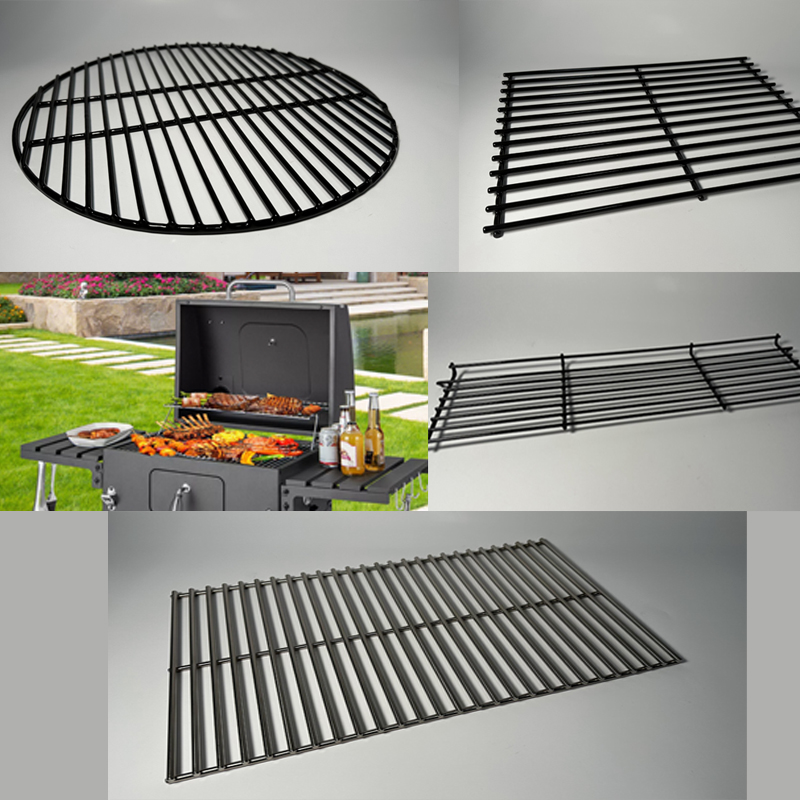
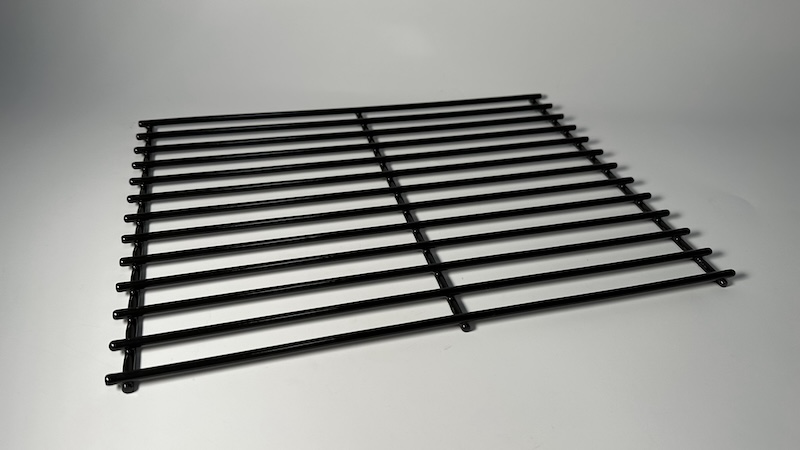
What’s the suitable Grill Grate Material for your choice of Gas Grills?


Choosing the right grill grate for your outdoor BBQ grill is crucial for cooking performance, durability, and ease of maintenance. Here are some key factors to consider:

1. Material

Each type of grill grate material has its own pros and cons:

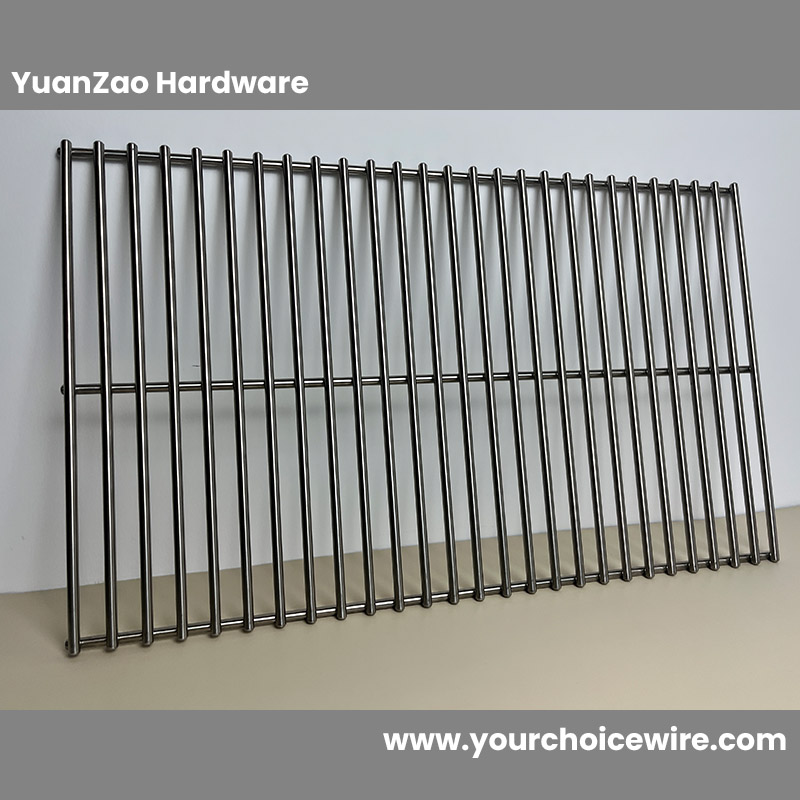
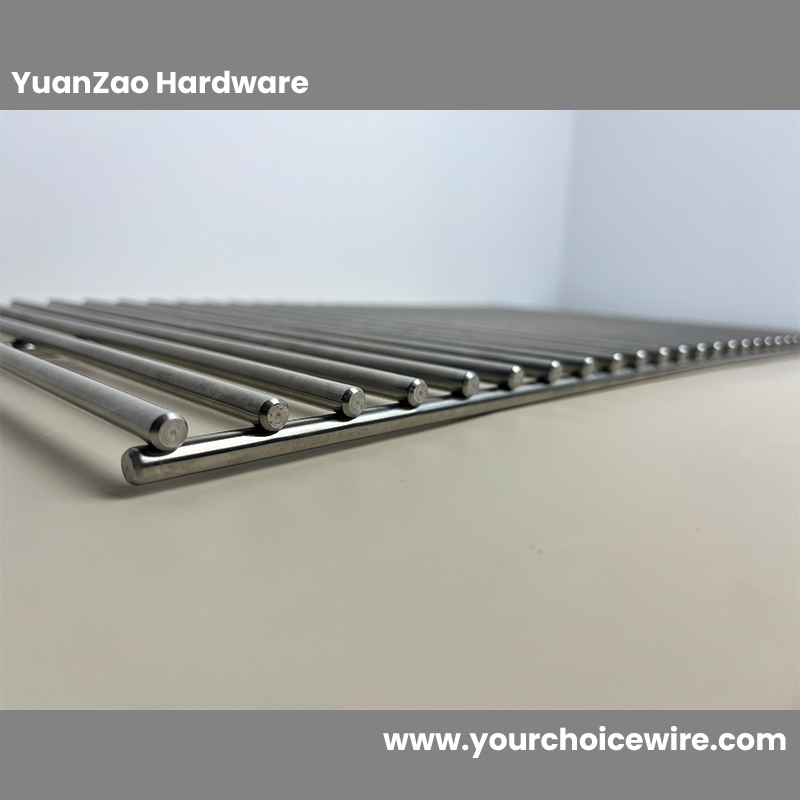
- Stainless Steel – Lightweight, rust-resistant, and easy to clean, but may not retain heat as well as cast iron.

- Cast Iron – Excellent heat retention and creates great sear marks, but requires regular seasoning to prevent rust.

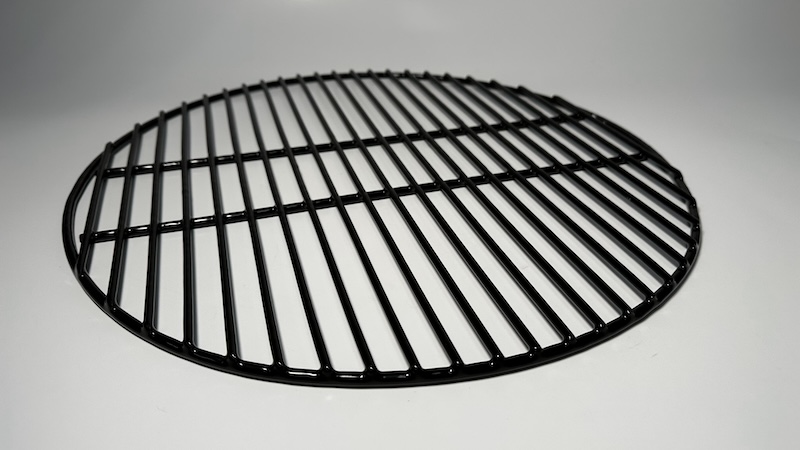
- Porcelain-Coated (Steel or Cast Iron) – Offers non-stick properties and corrosion resistance, but can chip over time if handled roughly.


Of course, gas grill cooking grate material is a hot topic. Everyone has their favorites, and our favorite material may not be yours. That’s fine! In this guide, we’ll break down the top three materials for gas grill grates — stainless steel, cast iron, and porcelain enameled — and walk you through which one is our top choice.


Key Takeaways

· The choice of grill grate material should align with your cooking style, maintenance preferences, and budget considerations.

· Each material has its unique advantages, so there’s no one-size-fits-all answer; personal preference plays a significant role in determining the best option for you.

· Stainless steel grates are our choice for the best suitable grill grate material for gas grills because they are durable, easy to clean, and resist rust, making them ideal for low-maintenance grilling.


Stainless Steel Grill Grates

Stainless steel is one of the most popular choices for gas grill grates and for good reason.

They’re durable and long-lasting and don’t require as much maintenance as other grill grate types.

Stainless steel grates are easy to clean and maintain, making them a convenient choice for frequent grillers.


Stainless steel grill grates are so common because they offer several benefits to grillers, including:

· Long-lasting durability

· Highly resistant to rust and corrosion

· Easy to clean

· Require little maintenance

· Lightweight and easy to move

· Affordable

· Heats up quickly and provides consistent heat

· Non-porous surface limits bacterial growth

High-quality stainless steel grates can be more expensive than other materials. Cheaper stainless steel can discolor and degrade with intense heat and frequent use.

Other cons of stainless steel grill grates include:

· The cooking surface can degrade over time

· Food likely to stick as surface degrades

· Must be cleaned regularly to remove grease build-up


Cast Iron Grill Grates

Cast iron grill grates are created when iron is poured into a cast of the grate shape, then typically coated with porcelain enamel to give them an easy-to-maintain surface. Some purists prefer their grates uncoated so they can oil them and build up a seasoning like a great cast iron pan.

There’s something about the ability to season cast iron grates that contributes to a non-stick surface and adds a distinctive flavor to grilled foods.

Cast iron grill grates offer many benefits that stainless steel cannot, including:

· Fantastic heat retention

· Cost-effective, generally more affordable than high-end stainless steel

· Long-lasting when properly maintained

· Creates restaurant-quality sear marks

· Enameled coating or oil seasoning can prevent sticking food

Along with its heavy-duty pedigree come a few additional drawbacks to cast iron grill grates, including:

· Heavy and hard to move

· Fragile — will break if dropped

· Requires constant maintenance

· Can rust and corrode quickly if not maintained

· If sold without an enamel coating, the grates need seasoning to be non-stick

Porcelain-Coated Grill Grates

Porcelain-coated grill grates are most commonly stainless steel or cast iron coated in a smooth enamel that both protects the metal surface from corrosion and creates a non-stick layer for food to cook on.

The smooth, non-stick porcelain coating simplifies cleanup, requiring less effort to remove food residues. However, you need to do so more carefully to avoid chipping. Wire grill brushes are a no-go!


Porcelain-enameled grates solve many of the issues people encounter with standard stainless steel or cast iron grates and deliver benefits including:

· Moderately priced

· Non-stick surface for food

· Corrosion-resistant as long as the coating is intact

Sudden temperature changes can cause the porcelain to crack, requiring careful preheating and cooling.

Other cons include:

· Enamel coating is prone to chipping if dropped or not cleaned properly

· Using metal tools or abrasive cleaners can scratch the surface

· Damaged coating exposes the grates to rust and corrosion

· Poor heat retention

· Careful maintenance required


In conclusion,Our Choice for Best Type of Gas Grill Cooking Grates: Stainless Steel

Our choice for thesuitabletype of gas grill cooking grates is stainless steel, due to its impressive blend of durability, ease of maintenance, and hygienic properties.

Stainless steel delivers many more advantages compared to cast iron or porcelain-coated grill grates, like longevity, and a choice of performance shapes like hexagonal or diamond rods.

While they may not retain heat as well as cast iron grates, their consistent heat distribution supports even cooking. For grillers seeking a low-maintenance and long-lasting option, stainless steel grates are an excellent choice.


Enhancing Efficiency in Surface Preparation with PCD Coating Removal Tools

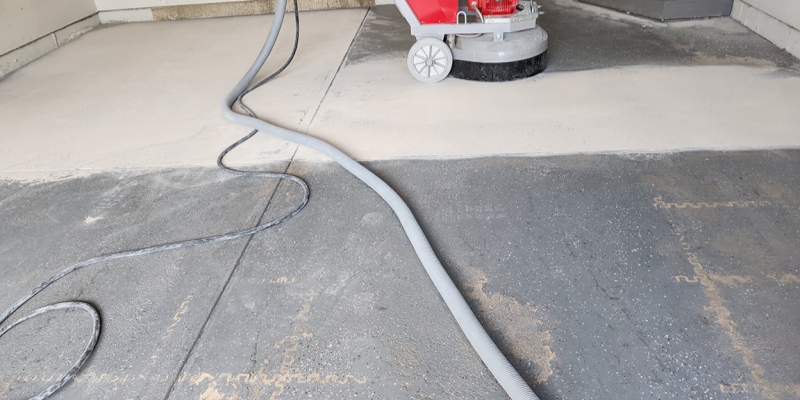
PCD coating removal tools have become crucial in the surface preparation industry, particularly for challenging coatings like epoxy, glue, paint, and waterproofing membranes. Renowned for their aggressive efficiency and durability, these tools are preferred by professionals who require speed and accuracy during flooring renovations. They feature PCD segments that effectively remove coatings without excessively grinding the concrete surface.


One of the most popular systems available today is the EZ change PCD removal tools, which allow for quick and easy tool changes. These tools are compatible with HTC grinding machines, minimizing downtime on job sites and boosting productivity. The ability to swap out tools without the need for tools or extra accessories is a significant benefit for contractors working on various surface types within a single project.


For users of Husqvarna grinders, the Husqvarna PCD tool range provides a customized solution. These tools are designed to optimize performance on Husqvarna machines, ensuring effective coating removal while maintaining control and precision. Their consistent cutting ability and resistance to heat make them an excellent choice for demanding commercial and industrial tasks.


PCD coating removal tools


Likewise, Lavina PCD coating removal tooling is specifically crafted for Lavina floor grinders, delivering high performance and durability. These tools are perfect for heavy-duty surface preparation, including the removal of thicker or more stubborn coatings. Their aggressive cutting action, combined with a long-lasting PCD formulation, makes them a dependable option for contractors seeking reliable results.


Selecting the appropriate PCD tool largely depends on the type of coating, the condition of the substrate, and compatibility with the machine. It’s essential to consider the tool’s configuration, including the number and orientation of the PCD segments, to effectively meet job requirements. Proper tool selection not only enhances efficiency but also safeguards the substrate from unnecessary damage.


For high-quality PCD coating removal tools, TransGrind offers a diverse range compatible with various grinding systems and job needs. With expert engineering and a focus on performance, TransGrind products help professionals maximize productivity on-site. To discover more about their PCD tooling solutions, visit www.transgrindtools.com.

 Shinhoo Basic Pro Series – The Ultimate Pump Solution for Industrial Excellence

Revolutionize Your Operations with Shinhoo’s Basic Pro Series
In an era where efficiency, durability, and adaptability define industrial success, Shinhoo Basic Pro Series emerges as a game-changing solution. Designed for professionals who refuse to compromise, this pump system combines cutting-edge engineering with user-centric features to deliver unmatched performance across industries.


Key Features of the Basic Pro Series

1. Precision Gear Control for Optimal Performance
The Basic Pro Series is equipped with a 3-speed gear system, calibrated for seamless operation. Pre-set to Gear III by default, it ensures a perfect balance of power and efficiency right out of the box. Need finer control? Shift effortlessly to Gear II or Gear I using the intuitive speed controller. The modular gasket-and-bolt assembly simplifies maintenance, allowing quick adjustments and calibration to meet dynamic workflow demands.

2. Unrivaled Efficiency & Minimal Hydraulic Loss
Basic Pro Series leverages high-efficiency hydraulics to minimize power loss, ensuring every watt of its 1500W output is optimized for productivity. While exact hydraulic loss metrics are proprietary, our testing confirms it outperforms industry benchmarks, reducing operational costs and environmental impact.

3. Ultra-Quiet Operation – Only 35dB(A)
Noise reduction is a priority. Even at full load, the Basic Pro Series operates at a whisper-quiet 35dB(A)—quieter than a library. This makes it ideal for noise-sensitive environments like laboratories, hospitals, or offices where focus is critical.

4. Built to Endure, Backed by a 2-Year Warranty
Constructed with rugged, industrial-grade materials and a modular architecture, this pump is built for longevity. Shinhoo stands behind its durability with a 2-year warranty, offering peace of mind for businesses that rely on uninterrupted operations.

5. Customizable Design to Reflect Your Brand
Why settle for generic equipment? Basic Pro Series offers a customizable exterior, allowing you to tailor its appearance to align with your brand’s aesthetics or specific design requirements. Functionality meets flair, effortlessly.


Versatile Applications for Every Industry

Basic Pro Series isn’t just powerful—it’s adaptable. Its modular design and broad performance range make it perfect for:

Manufacturing: High-pressure fluid transfer and machinery control.

Energy Sector: Efficient hydraulic systems for renewable energy setups.

Construction: Reliable operation in demanding outdoor environments.

Laboratories: Quiet, precision performance for sensitive tasks.


Why Professionals Trust Basic Pro Series

✅ High-Efficiency Hydraulics | Minimal energy loss, maximum output.
✅ 3-Speed Gear System | Default Gear III, with easy shifting to II or I.
✅ Ultra-Low Noise | 35dB(A) at 1500W – quieter than a conversation.
✅ 2-Year Warranty | Built to last, backed by confidence.
✅ Customizable Exterior | Match your brand’s unique style.

Upgrade to the Future of Hydraulic Systems
Shinhoo Basic Pro Series isn’t just a pump—it’s a strategic asset for businesses aiming to lead in efficiency and innovation. Whether you’re streamlining production or enhancing workspace comfort, this series delivers results.


The Importance of Proper Maintenance After Terrazzo Floor Polishing

Terrazzo floors are well-known for their strength, visual appeal, and enduring shine, particularly when polished with top-notch techniques. However, to maintain that polished appearance, regular and proper care is essential. Without an appropriate maintenance routine, even the most beautifully polished terrazzo can quickly lose it shine.


A crucial part of keeping a polished terrazzo floor in good condition is to clean it regularly with non-abrasive products. Dirt and debris can act like sandpaper, dulling the surface over time. It’s also vital to promptly clean up spills to avoid staining, especially in areas with heavy foot traffic. For long-term maintenance, periodic re-polishing with flexible polishing pads can rejuvenate the surface and restore its original shine without causing damage.


In addition to polishing, regular inspections and minor repairs are important for extending the floor’s lifespan. Any small chips or cracks should be fixed quickly to prevent them from worsening. During maintenance, professionals contractors often utilize Husqvarna metal grinding tools to smooth out surfaces and prepare them for touch-ups or additional polishing.


terrazzo floor maintenance


Taking care of terrazzo floors not only maintains their visual appeal but also minimizes the need for expensive repairs. For deep cleaning or re-polishing, using the coating removal cup wheels can significantly improve results, especially when tackling stubborn coatings or adhesives from past treatments. These tools help preserve the surface integrity and effectively prepare the floor for refinishing.


Proper maintenance of terrazzo floors can ensure their lasting beauty. TransGrind provides a comprehensive range of high-quality grinding and polishing tools to assist with every aspect of terrazzo care. Visit www.transgrindtools.com to discover our solutions and keep your floors in top condition.

Why Terrazzo is the Ideal Flooring for Outdoor Spaces

When choosing flooring for outdoor spaces, durability and appearance are key considerations. Terrazzo, with its long-standing history, offers both qualities, making it an excellent option for patios, pool areas, and garden paths. Its mixture of marble, granite, or glass chips embedded in cement or epoxy forms a robust, weather-resistant surface that can withstand UV rays, temperature changes, and heavy foot traffic. Unlike porous materials. Well-sealed terrazzo prevents water absorption, which helps avoid cracks and mold—an important benefit for outdoor settings.


To achieve a perfect terrazzo finish outdoors, specialized equipment is necessary. Contractors typically begin with a diamond grinding head for Husqvarna machine to level the surface and remove any flaws. This step is crucial for outdoor applications, as uneven surfaces can cause drainage problems or create tripping hazards. The accuracy of diamond grinding tool provides a solid base before the polishing process starts.


terrazzo floor polishing pads


For precise edges and intricate details, polar magnetic diamond grinding tools offer exceptional control, particularly on curved areas like steps or decorative borders. Their secure magnetic attachment reduces slippage, ensuring uniform results. After grinding, wet polishing pads enhance the terrazzo’s characteristic shine while adding a slight texture for slip resistance—an important safety feature near pools or in wet condition.


In addition to its performance, terrazzo’s design versatility enhances outdoor aesthetics. Customizable aggregates allow for colors that harmonize with the natural environment, and its reflective properties improve ambient lighting. With low maintenance requirements and a timeless look, terrazzo is a wise investment for outdoor areas, blending artistry with lasting practicality.

CNC Milling vs. CNC Turning Choosing the Right Process for Your Precision Manufacturing Needs

When it comes to precision machining, CNC milling and CNC turning are two of the most commonly used processes. Each offers distinct advantages depending on the type of part you're manufacturing. Understanding their differences and applications can help you choose the right process for your specific needs. In this article, we’ll explore CNC milling vs CNC turning, highlighting their key features, differences, and applications.


 What is CNC Milling?

CNC milling involves rotating cutting tools that move across the workpiece to create complex shapes and detailed features. This process is ideal for parts with intricate contours, angled surfaces, and multiple dimensions. CNC milling can handle both metal and plastic materials with high precision, making it suitable for a wide range of industries such as aerospace, automotive, and medical devices.


Key advantages of CNC milling include its ability to produce complex geometries, and its flexibility with multi-axis machining, which allows for highly detailed parts with tight tolerances.


What is CNC Turning?

CNC turning is used to produce cylindrical parts by rotating the workpiece while a stationary cutting tool removes material. This process is perfect for creating symmetrical, round parts like shafts, pins, and bushings. CNC turning is ideal for high-volume production and parts requiring high concentricity and tight diameters.


Industries such as automotive, oil & gas, and industrial equipment rely on CNC turning for producing precision components efficiently and quickly.


CNC Milling vs CNC Turning: Key Differences


1. Part Shape and Complexity  

   - CNC milling is great for complex, non-symmetrical parts with intricate details.  

   - CNC turning is ideal for round, symmetrical components like shafts and rings.


2. Machining Process

   - Milling uses rotating tools to move across the workpiece.  

   - Turning involves rotating the workpiece while the tool remains stationary.


3. Speed and Efficiency

   - CNC turning is faster for producing large quantities of simple, cylindrical parts.  

   - CNC milling offers more versatility but requires more time and tooling for complex shapes.


Which Process is Right for Your Project?


Choosing between CNC milling and CNC turning depends on your part’s geometry, production volume, and precision requirements. If your project involves intricate designs or multi-dimensional features, CNC milling is the better choice. If you need high-speed production of symmetrical components with tight tolerances, CNC turning is the most efficient option.


At LEADMAKE,  we specialize in both CNC milling and CNC turning, offering custom machining solutions for all your manufacturing needs. Our experienced team can help you determine the best process for your project, ensuring optimal quality and efficiency.


Let’s Connect!

Ready to start your project? Contact us today to discuss your CNC machining needs and find out how our services can bring your ideas to life with precision and speed.