Understanding Orthopedic Internal Fixation Devices Types, Materials & Applications

 Introduction 

Orthopedic internal fixation devices are critical instruments in modern orthopedic trauma surgery. These devices are designed to stabilize fractured bones, playing a vital role in facilitating proper healing, reducing recovery time, and restoring function. In this article, we will review the various types of internal fixation devices, their materials, and clinical uses, helping healthcare professionals and distributors better understand the components of effective fracture management.


 What Are Internal Fixation Devices? 

Internal fixation refers to the surgical placement of devices within the body to stabilize broken bones. These implants hold fractured bone fragments in position, allowing the natural healing process to proceed with proper alignment and stability.

Key benefits:

  • Maintains bone alignment
  • Promotes early mobilization
  • Reduces the risk of nonunion or malunion
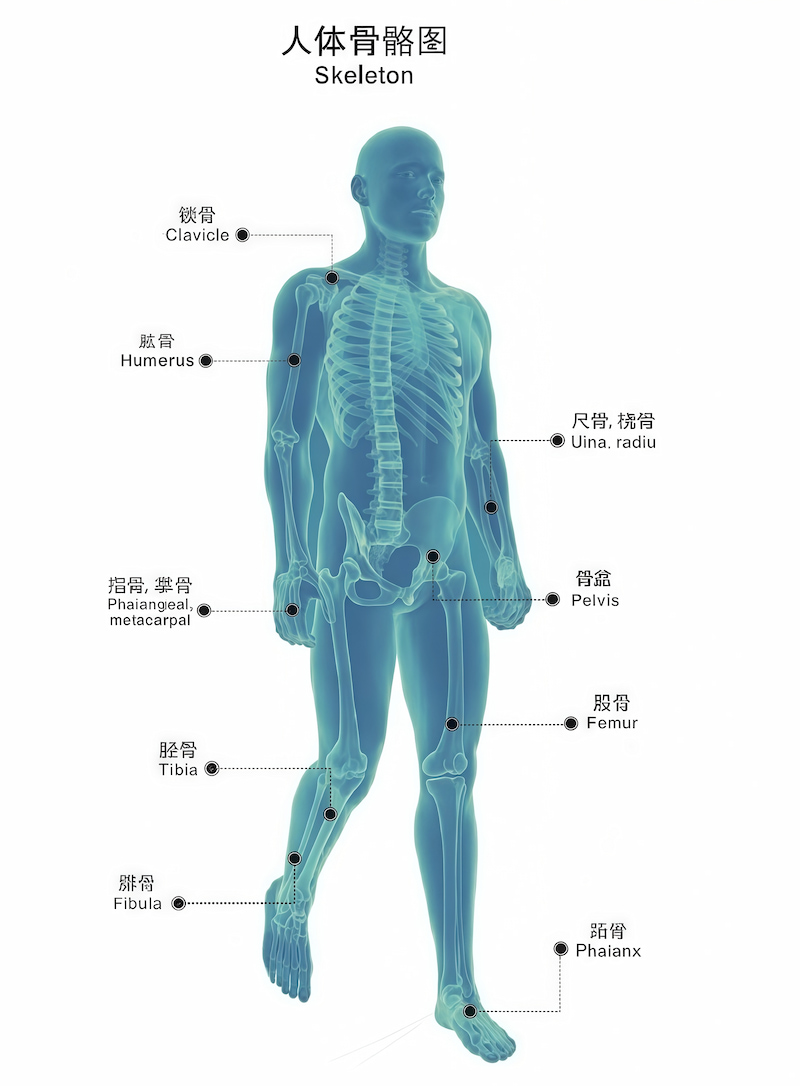
Human Skeleton Diagram


 Common Types of Orthopedic Internal Fixation Devices 

1. Plates and Screws

These are the most commonly used devices, fixed directly onto the surface of the bone.

  • Dynamic Compression Plates (DCP)
  • Locking Compression Plates (LCP)
  • Anatomical Plates

Applications: Long bone fractures (humerus, femur, tibia), pelvic fractures, small bone fixation
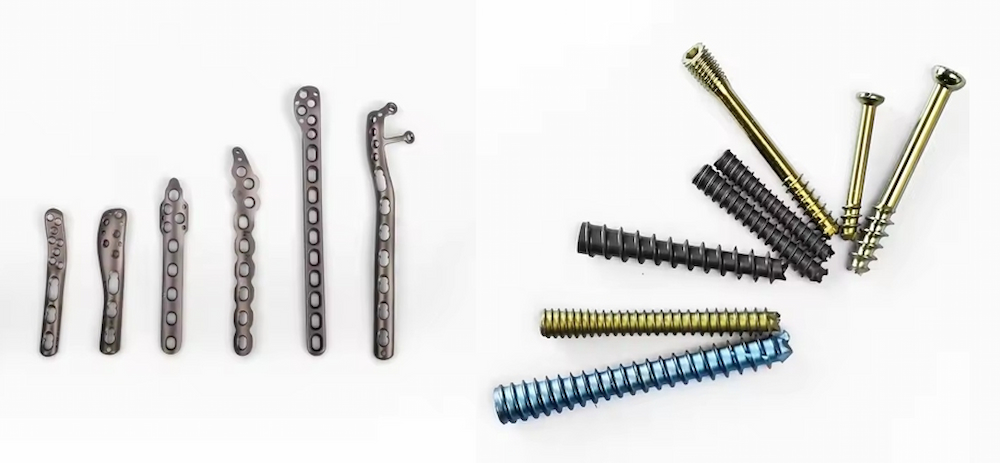
Bone Plates and Screws

2. Intramedullary Nails

These metal rods are inserted into the marrow cavity of long bones. They provide excellent load-sharing properties and allow early weight-bearing after surgery.

Applications: Femoral shaft, tibial shaft, and humeral shaft fractures

Advantages: Minimally invasive, fast healing, early weight-bearing after surgery
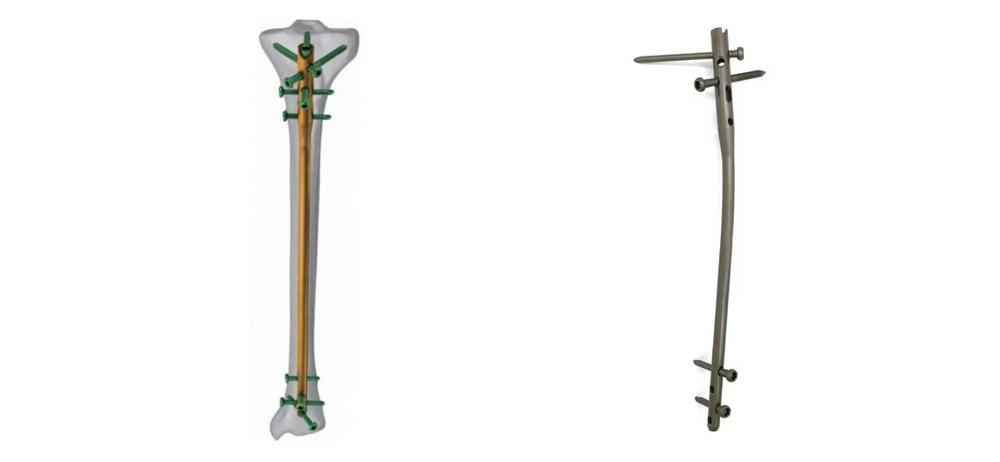
Intramedullary Nails


3. Cable Systems

These are used for complex fractures or bone reconstructions, particularly around joint areas.

  • Material: Titanium alloy cables are commonly used for their flexibility and compatibility with bone tissue.
  • Applications: Greater trochanter fractures, pelvic and acetabular reconstructions, spinal fixation.
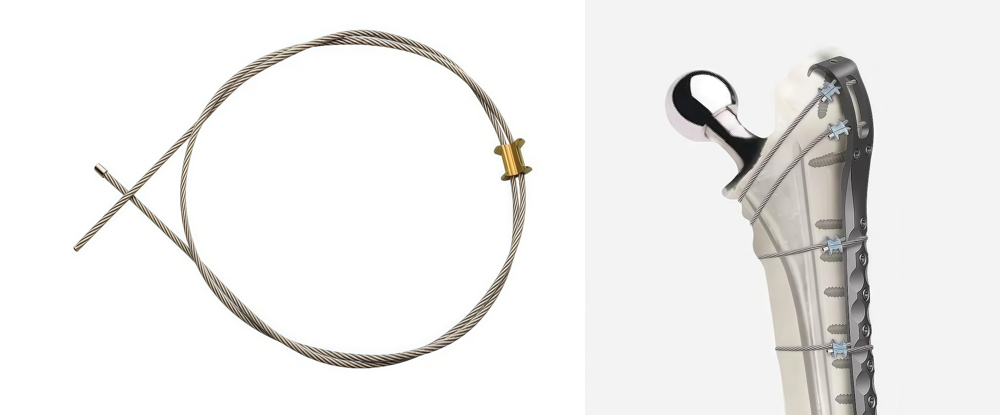
 

Cable Systems

4. Pedicle Screw Systems

Part of spinal fixation systems, these screws are used to stabilize the vertebrae.

  • Components: Pedicle screws, rods, transverse connectors
  • Applications: Spinal trauma, deformity correction, spinal fusion surgeries
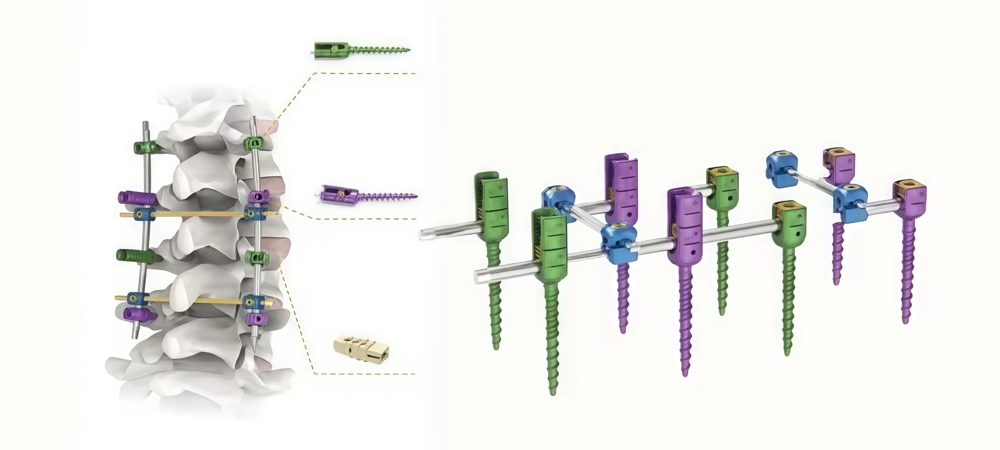
Pedicle Screw Systems


 Materials Used in Internal Fixation Devices 

Orthopedic implants must meet high material standards for strength, biocompatibility, and resistance to corrosion. The most commonly used materials are titanium alloy, stainless steel, and PEEK polymer. A comparison of these materials' properties is outlined below:

Material Type Density (g/cm³) Young's Modulus (GPa) MRI Compatibility Corrosion Resistance Biocompatibility Strength (MPa) Characteristics Common Applications
Titanium Alloy (Ti-6Al-4V) 4.43 110-120 Non-magnetic, Good High Excellent 900-1100 Lightweight, Corrosion-resistant, Excellent biocompatibility Bone plates, Screws, Intramedullary nails, Cable systems
Stainless Steel (316L) 8.00 190-210 Magnetic, Affects scanning Moderate Good 520-600 High strength, Low cost, Good machinability Bone plates, Screws
PEEK (Polyether Ether Ketone) 1.30 3.6 Non-magnetic, Good Excellent Excellent 90-120 Radiolucent, High flexibility Spinal fusion devices, Special replacement materials


 Recovery & Post-Operative Care 

Following surgery, patients typically undergo:

  • Controlled rehabilitation
  • Follow-up imaging (X-ray or CT scans)
  • Monitoring for implant-related complications (e.g., loosening, infection)
  • Optional implant removal 12–24 months after surgery (depending on the case)

 Future Trends in Internal Fixatione 

The field of orthopedic fixation is continuously advancing, with emerging technologies such as:

  • 3D-printed custom implants
  • Bioresorbable fixation materials
  • Smart implants with integrated sensors
  • Robot-assisted and navigated surgeries


 Conclusion 

Orthopedic internal fixation devices are fundamental to fracture treatment—ensuring stability, enhancing healing, and helping patients regain mobility more quickly. Whether you are a healthcare provider, distributor, or procurement professional, having a clear understanding of these devices is essential for improving orthopedic outcomes.
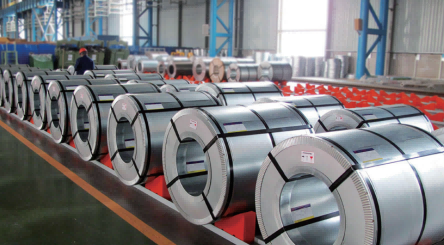
 

What is CRGO steel?

1. Definition and Core Components

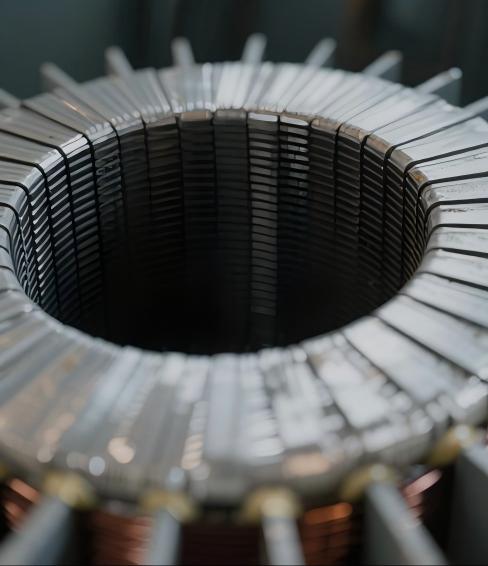
• Basic Composition: With iron (Fe) as the base, it adds 2.8% to 3.5% silicon (Si), along with trace amounts of carbon, aluminum, manganese, and other elements. The addition of silicon significantly increases the resistivity (reducing eddy current losses) while maintaining high magnetic permeability.

• Grain Orientation: Through cold rolling and annealing processes, a Goss texture ((110)[001] crystal orientation) is formed, concentrating the magnetization direction highly along the rolling direction, and the magnetic permeability can be 3 to 5 times higher than that of non-oriented steel.

2. Key Steps of Production Process

Hot rolling: Initial forming to a thickness of 2-3mm.

Cold rolling: Rolling at room temperature to the target thickness (0.18-0.35mm), with a compression ratio over 80%, and preliminary induction of grain orientation.

Annealing treatment:

• Primary annealing: Elimination of cold rolling stress.

•Secondary recrystallization annealing: At high temperatures (>1200°C), to align grains completely along the rolling direction, which is the core process.

Insulation Coating: Surface coating with phosphate or ceramic layers to reduce eddy currents between laminations and prevent corrosion.

3.Performance Advantages

•Low iron loss: Grain orientation reduces hysteresis loss, with typical iron loss values being over 50% lower than those of non-oriented steel.

•High magnetic saturation strength: Reaching 1.8 - 2.0T, it supports efficient energy transmission.

•Low magnetostriction: Reduces vibration noise by 30 - 50dB, suitable for quiet environments (such as transformers in residential areas).

•High stacking factor: >95%, allowing for compact design and saving material space.

4.Application Fields:

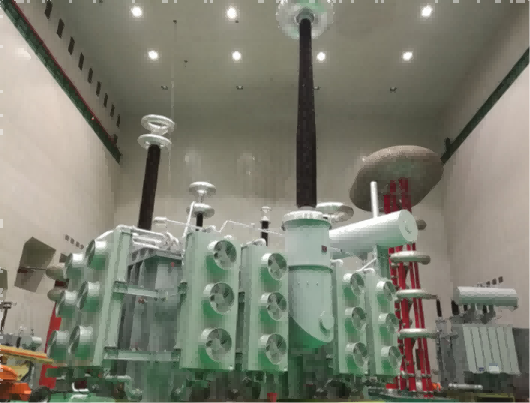
Power transformers: The core accounts for 70% of the cost, and CRGO steel can improve efficiency to over 99%.

•Renewable energy equipment: Wind turbine generators, electric vehicle motors (high power density).

•Precision instruments: MRI equipment, high-precision sensors (reliant on magnetic field stability).

5.Future Development Trends

•Ultra-thin development: Advancing 0.10–0.18mm thickness for application in micro electronic transformers.

•Coating technology: Nano-insulating layers to further reduce eddy current losses.

•Green manufacturing: Scrap steel recycling rate >90%, reducing carbon footprint.

What material is used for the core of a transformer?

Silicon steel (electrical steel)

• Characteristics: Silicon steel is the most traditional core material. By adding silicon (typically 3% to 5%), the resistivity is increased to reduce eddy current losses while maintaining high magnetic permeability. Cold-rolled silicon steel sheets have grain orientation, which can further optimize the magnetic flux path.

• Advantages: Low cost, high mechanical strength, and mature manufacturing process, suitable for power frequency (50/60Hz) applications.

• Disadvantages: Iron losses significantly increase at high frequencies (hysteresis loss + eddy current loss), and efficiency is lower than that of new materials.

• Applications:

• Power transformers (distribution and transmission systems);

• Industrial transformers (medium and low-frequency equipment).

2. Amorphous Alloy (Amorphous Steel)

• Characteristics: Metal glass structure with disordered atomic arrangement (such as iron-boron-silicon alloy), isotropic magnetism, significantly reducing eddy current and hysteresis losses. Iron loss is 70% to 80% lower than that of silicon steel.

• Advantages: Ultra-high efficiency (extremely low no-load loss), environmentally friendly and energy-saving.

• Disadvantages: High mechanical brittleness, difficult processing, relatively low saturation magnetic flux density (about 1.5T), and cost is 1.5 to 2 times that of silicon steel.

• Applications:

• High-efficiency distribution transformers (especially in energy-saving scenarios);

• Renewable energy systems (photovoltaic inverters, wind power transformers).


3. Ferrite

•Characteristics: Ceramic material (MnZn/NiZn-based), high resistivity (>10^6 Ω·m), naturally suppresses eddy currents, but magnetic permeability varies significantly with temperature.

•Advantages: Excellent high-frequency performance (1kHz - 1MHz), small size, moderate cost.

•Disadvantages: Low saturation flux density (<0.5T), brittle, not suitable for high-power low-frequency applications.

• Applications:

• Switching power supplies (SMPS), RF transformers;

• Consumer electronics (chargers, TVs, communication devices).

4.Nanocrystalline Materials

• Characteristics: Nanoscale crystalline structure (iron-based alloys), combining high saturation flux density (over 1.2T) with low high-frequency losses and good temperature stability.

• Advantages: Comprehensive performance surpasses ferrite, high-frequency losses comparable to amorphous alloys.

• Disadvantages: High cost, complex mass-production processes.

• Applications:

• High-end high-frequency transformers (medical equipment, aerospace);

• Electric vehicle charging modules.


Other Materials

• Iron Powder Cores: Used in mid-frequency inductors, strong anti-saturation capability but higher losses.

• Permalloy (Nickel-Iron Based): Extremely high initial permeability, used in precision instruments, but with exceptionally high cost.

Enhancing Surface Preparation with Advanced Concrete Grinding and Bush Hammering Tools

Surface preparation is crucial for ensuring the longevity and quality finish of concrete projects. Contractors and flooring experts understand that obtaining the proper texture and profile is fundamental for successful coatings, overlays, or polishing. Among the various techniques available, bush hammering and precision grinding have become key methods for achieving consistent, professional results.


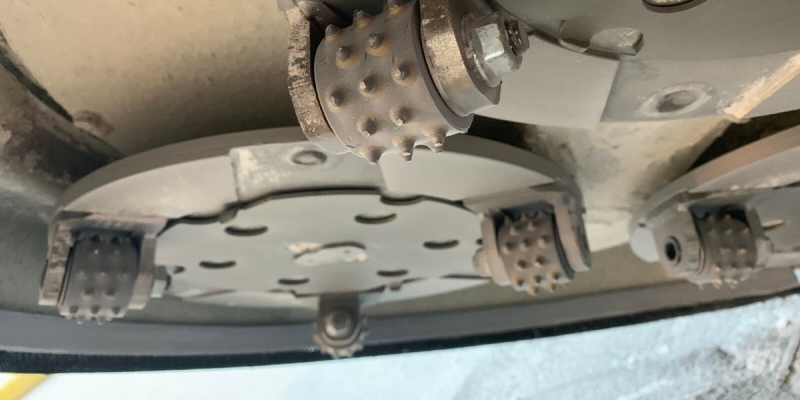
For creating aggressive textures and exposing aggregate, concrete bush hammering tools are commonly used. These tools produce a rough, slip-resistant surface, making them perfect for outdoor pavements, decorative finishes, or preparation prior to waterproofing. Their specialized design enables operators to maintain a uniform texture over large areas while reducing fatigue.


Different machines are suited to specific project needs, and tool compatibility is essential. For instance, the Scanmaskin bush hammer is designed to integrate smoothly with Scanmaskin floor grinders, providing efficient material removal and even surface finishes. Its precise construction guarantees durability, making it a favored option for professionals working on both decorative and industrial concrete surfaces.


concrete bush hammering tools


For grinding tasks, tools such as the Terrco diamond grinding plug offer great versatility. These plugs are built for high material removal rates and consistent scratch patterns, making them suitable for surface leveling, coating removal, and preparation before polishing. Their durable bonding and precise fit contribute to optimal grinding performance and extended tool life.


By combining appropriate bush hammering tools with dependable grinding solutions, contractors can effectively address a wide range of concrete preparation challenges. Investing in high-quality tools ensures consistent outcomes, increased efficiency, and surfaces that are well-prepared for any finishing treatment.

The Impact of Weight and Speed on Grinding Efficiency

In floor preparation and polishing, two key factors that greatly influence grinding efficiency are weight and speed. The effectiveness of material removal and the smoothness of the finished surface depend on the balance between the machine’s applied pressure and its rotational speed. Understanding this connection enables professionals to achieve superior results while reducing tool wear and project duration.


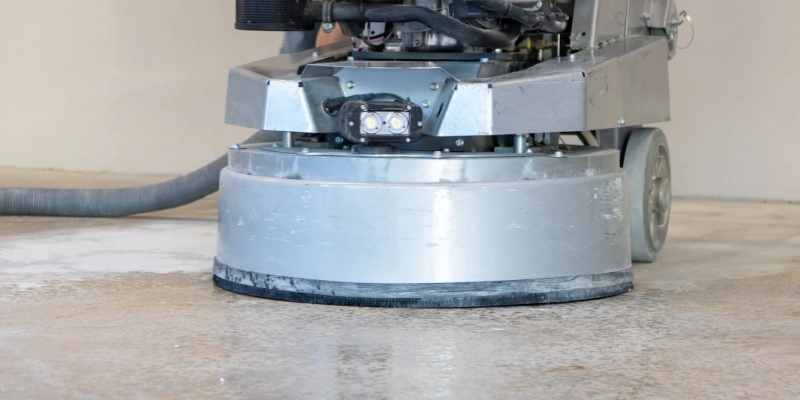
The machine’s weight directly impacts the grinding pressure. Heavier machines apply more force to the surface, allowing metal diamond grinding shoes to grind more aggressively into tough materials like concrete. This leads to faster material removal but can also increase tool wear if not matched with the appropriate bond and segment design. On the other hand, lighter machines require more passes but place less stress on the tools and offer better control, especially for detailed work.


concrete floor grinding machine


Speed is equally important. Higher rotation speeds can improve material removal by increasing the frequency of contact between the diamond segments and the floor. However, too much speed can cause excessive heat, which may glaze the segments and reduce their effectiveness. Conversely, slower speeds can prolong tool life but may slow down the grinding process. Operators typically adjust speed based on the hardness of the material and the type of grinding wheel for angle grinder used to optimize performance.


Weight and speed must be considered together. A heavy machine running at high speed can achieve quick results but may wear out polar magnetic quick change tool rapidly. Meanwhile, using moderate weight with controlled speed often balances efficiency with longer tool lifespan. Professionals need to assess each project’s specific needs—such as surface hardness, desired finish, and time constraints—to determine the ideal combination.

Types of Bearings and Their Main Applications

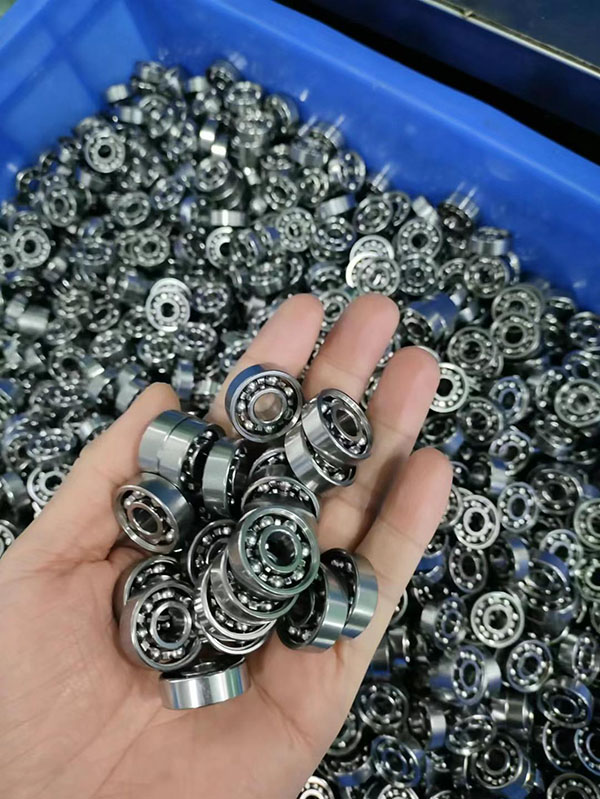
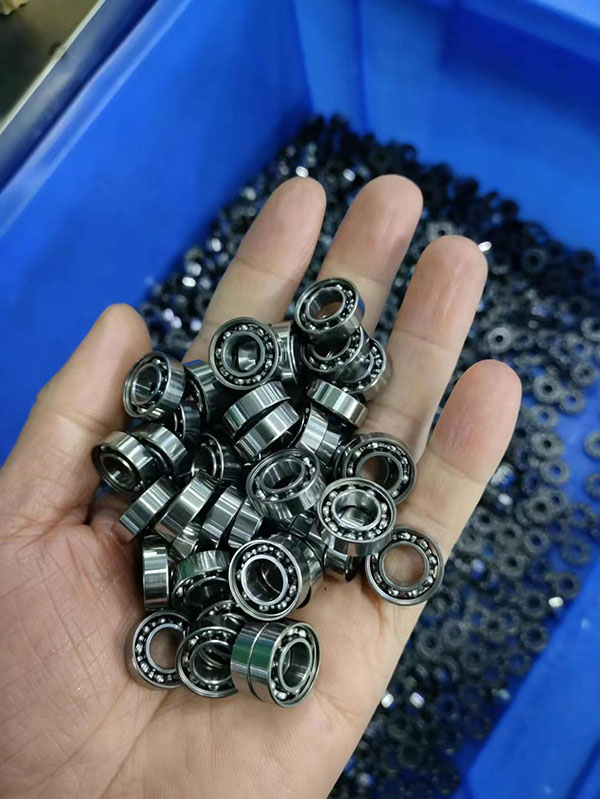
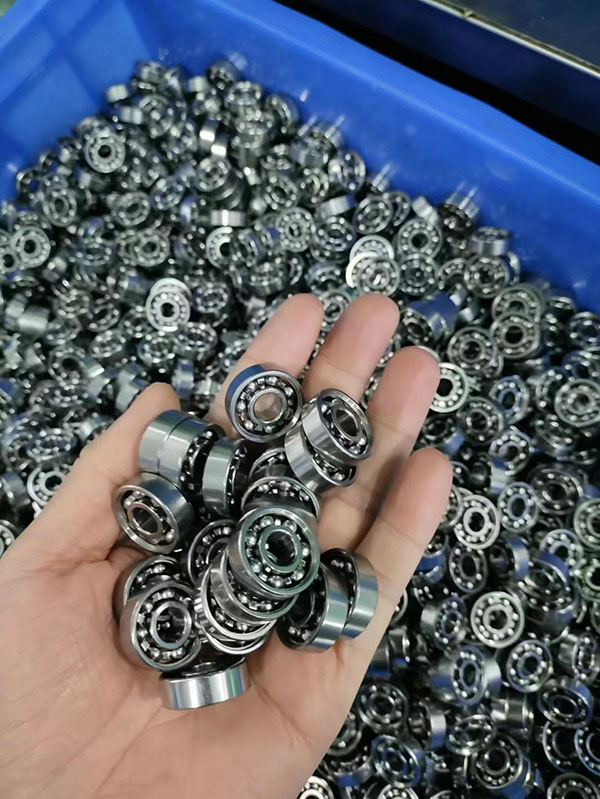
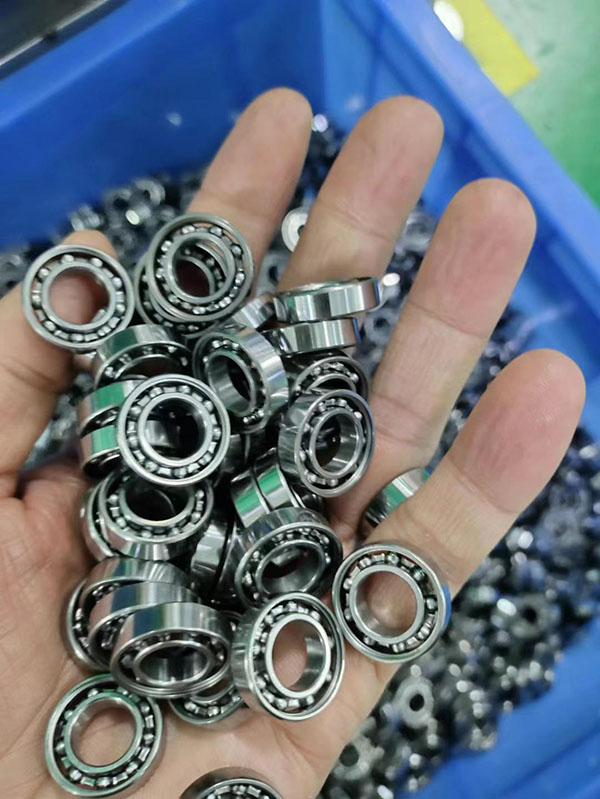
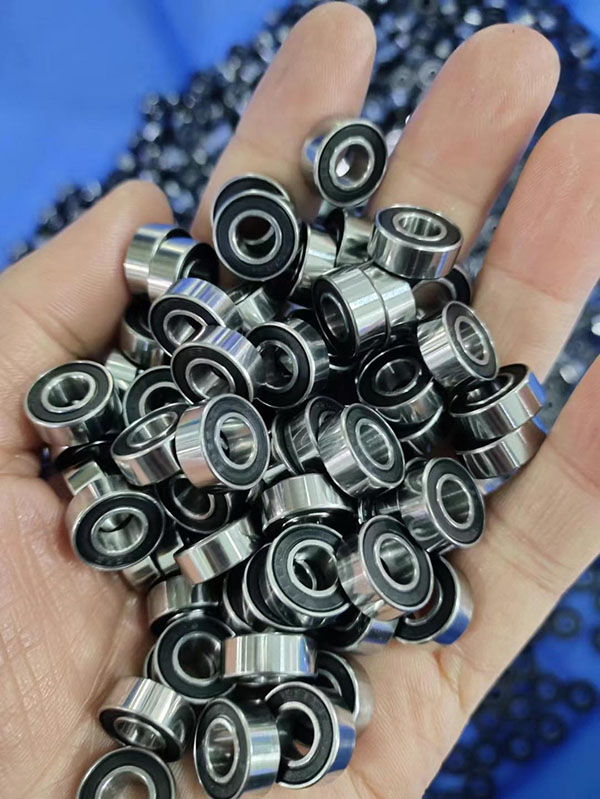
There are different bearings ,such as ball bearings ,roller bearings ,shaft bearings ,ceramic bearings ,high temperature bearings ,taper roller bearings ,thrust bearings ,needle roller bearings etc.


For thoese bearings all are all one of the movind part which make machinery rotation .


MKL BEARINGS can produce different type of bearings for you .


MKL BEARINGS is professional manufactuer of bearings,we can produce bearings according to your design ,such as produce accoding to your drawing ;and we can print your logo/brand on the products, you just need to send us your logo/brand files,we can prepare produciton design before production.

free samples are available for you ,just feel free to contact with us free .

E-mail:seven@mklbearing.com

non-standard roller bearing
Special ball bearings
custom bearings


What is Non Standard Bearing?

MKL BEARINGS is China Non-Standard Bearing - Manufacturers & Suppliers.


Integrates R&D, Manufacturing, Trading, Sales of Bearings, Rollers, Pulleys.


For material we are good at Stainless Steel material such as SUS420 material .


To Meet Various Market's Needs, We Have Successfully Developed Plastic Rollers, Wheels and Pulleys Which are Widely Used for Sliding Doors,Windows, Drawers, Shower Room, etc.


We can produce customized service according to your requirements ,such as can produce according to your drawing ,or your sample ;production drawing can be provide before order ; besides we can provide mass production sample for you to test before order delivery .


If you have any bearings ,rollers ,pulleys requirements just feel free to let me know ,we will do best support for you .

Are All Sliding Door Rollers the Same?

Are all sliding door rollers the same?

There are different type of sliding door rollers .
It depends on your door and roller, process may differ slightly.
Most aluminum sliding glass doors use single-assembly rollers. Most are steel, although some use nylon. The best way to figure out which rollers you need is to use steps 1-6 to remove your rollers and buy replacements that match.

MKL BEARINGS can provide different type of sliding door rollers ,we also can produce special roller ,you just need send us your sample or drawing then we can produce as your need ; before order we can send you sample to test ,after you pass the quality then you confirm order .

For more information just check our website at www.mklbearing.com or send me mail free at seven@mklbearing.com


Bearing For Rotating Platform

Bearings play a crucial role in the operation of stage lighting equipment, especially in fixtures that require movement such as moving head lights. In the context of stage lighting, bearings are utilized in various moving parts such as pan and tilt mechanisms, allowing lights to move smoothly and accurately during performances.


MKL BEARINGS can produce bearings with below Features:

Smooth Movement: Bearings enable stage lights to move smoothly and precisely, allowing for the accurate positioning of lights during performances. This is essential for creating dynamic lighting effects and highlighting different aspects of a performance.

Durability: Stage lighting fixtures often endure frequent movement and usage, making the durability of bearings a critical factor. High-quality bearings can withstand the rigors of continuous movement and provide long-term reliability.

Precision: Bearings contribute to the precision and accuracy of movement in stage lights. Whether the lights need to pan, tilt, or rotate, the smooth operation of bearings ensures that the lights can be positioned exactly where needed, enhancing the overall lighting design.

Reduced Friction: Bearings help reduce friction between moving parts, which not only ensures smooth movement but also minimizes wear and tear on the equipment. This can extend the lifespan of the lighting fixtures and reduce maintenance requirements.

Types of Bearings: Different types of bearings may be used in stage lighting equipment, such as ball bearings, roller bearings, or linear bearings, depending on the specific requirements of the fixture and movement mechanism.


MKL BEARINGS can produce various types of bearings for security pan/tilt, monitoring, stage lighting, sweepers, motors etc;for more information about bearings just feel free to contact with us free.


E-mail:seven@mklbearing.com

What are agricultural bearings?

Agricultural machinery bearings are one of the commonly used accessories for agricultural machinery and are widely used in agricultural vehicles, tractors, diesel engines, electric motors, mowers, balers, harvesters, threshers and other agricultural machinery.


The accuracy, performance, life and reliability of agricultural machinery bearings play a decisive role in the accuracy, performance, life and reliability of the main machine. Agricultural machinery bearings can continuously withstand continuous vibration and high impact loads, meet reliable operation under various weather conditions, and have a very simple structural design to ensure efficient utilization of the machine.


MKL BEARINGS can produce different bearings used for Agriculture Industry such as :

Flanged Disc Harrow Bearings:ST491A, ST491B, FD209-1 1/8SQ, FD209-1 1/4SQ, FD211-1 1/2SQ, F0211-1 3/4RD, F0211-1 3/4HX, F0211-1 15/16RD, F0211-1 15/16RDC*, FD211-2 3/16RD

 FD209RM bearings
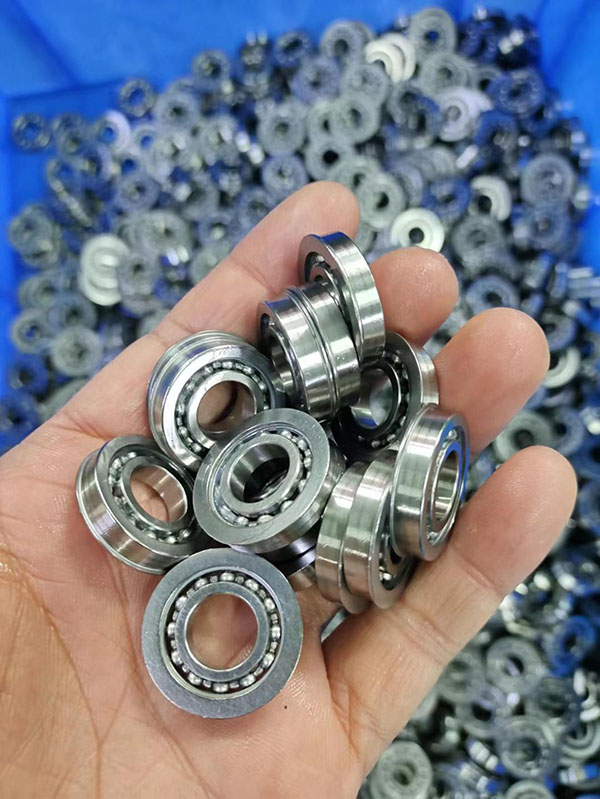
Flanged Disc Harrow Bearings

Hexagonal Bore Bearings: 202KRR3, 204KPP2, 204KRR2, 204KRRB2, 205KPP2, 205KRR2, 205KPPB2, 206KRR6, 206KRRB6, G207KPPB2, W208KRRB6, W208PPB16, 209KRRB, 2210PP20

Hexagonal Bore Bearings
Square Bore bearings
Seeder Bearings: 204PY3, 205GP-SMB, 205KPP2, 205KPPB2, 5203KYY2, 5206KPP3, F04100149, G59196, G59196-20, G14830390

G14830390 bearings
205GP-SMB bearings

Baler Bearings: 203KRR3+FA16, CF204KPP-SD-ASY2, CF204PP16, CF204PP52-ASY, CF304KPP-SD-ASY2, CF304KPP-SP1 -ASY, CF304PP19, CF304PP72-ASY, CF5203KYY-ASYCF5002-ASSY, CF5002PP40-ASY, CF5002-SD-ASY2,
CF5002-SD-ASY2 bearings
CF204PP16 bearings


For more information about Agricultural machinery bearings, just feel free to contact with us free.