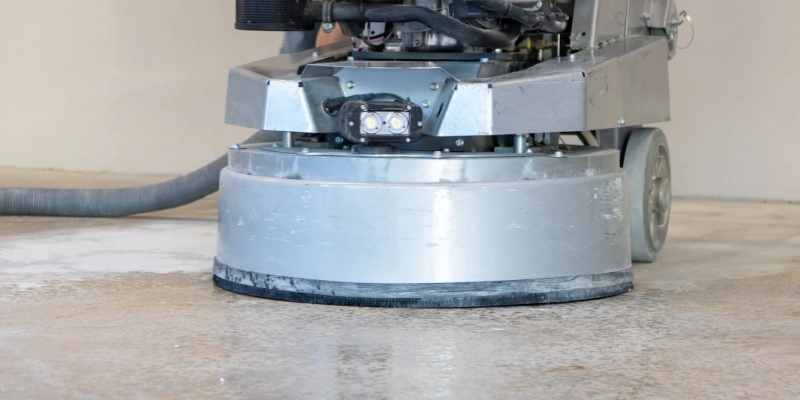
Choosing between PCD tools and metal bond diamond tools for coating removal depends mainly on the type of coating, its thickness, and the condition of the concrete surface. Although both types of tools are used in floor preparation work, they operate in very different ways and are suited to different stages of the process. Understanding these differences helps contractors select the right tooling and improve efficiency on site.
PCD Tools for Fast and Aggressive Coating Removal
PCD tools are designed specifically for the removal of coatings such as epoxy, glue, paint, and thick surface residues. Instead of grinding gradually, they use a scraping and shearing action that removes material quickly and prevents loading or glazing. In most heavy-duty coating removal projects, PCD coating removal tools are the primary choice because of their fast cutting speed and strong material removal capability.
Metal Bond Tools for Surface Cleaning and Preparation
Metal bond diamond tools like metal diamond grinding shoes are mainly used for concrete grinding and surface preparation rather than direct coating stripping. They are more effective after the bulk of the coating has been removed, helping to clean the surface and refine the concrete profile. In lighter coating situations or residue removal, they can still play a supporting role before polishing or further surface treatment.
Application Differences in Real Projects
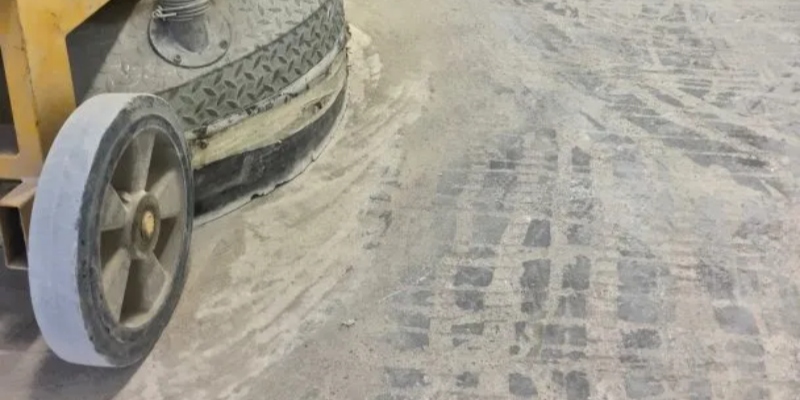
In real coating removal projects, PCD tools are typically used in the initial stage where fast removal is required. Once the main coating layer is removed, metal bond tools may be used to clean remaining residue and prepare the floor for the next grinding or polishing steps. This staged approach helps maintain efficiency while achieving a more consistent surface condition.
Conclusion
Overall, for coating removal applications, PCD tools are generally the more effective option due to their aggressive cutting action and higher removal speed. Metal bond tools, while not the primary removal solution, remain important for surface preparation and refinement after coating removal. In professional flooring work, using both tools in the correct sequence often delivers the best overall results.