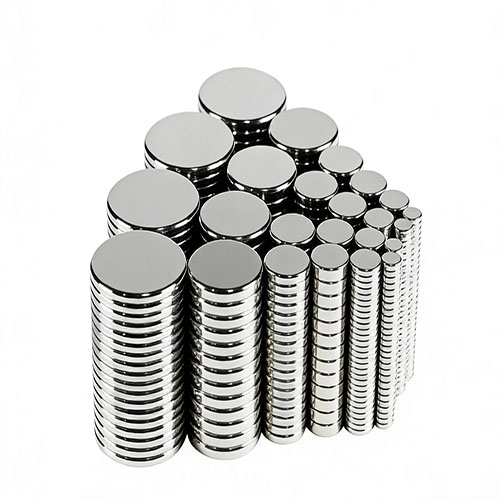
How to Identify High-Quality Flexible Rubber Magnet? Key Buying Tips

Stop Wasting Money! How to Spot High-Quality Flexible Rubber Magnet

Buying Flexible Rubber Magnet and getting scammed? You’re not alone! Most buyers fall for the same trap: low-quality rubber magnets look exactly like high-quality ones, but they fail in months—magnetism fades in 3-6 weeks (not months!), they crack the first time you bend them, and they crumble in extreme temperatures. This doesn’t just waste your cash—it derails projects, ruins your brand, and forces you to reorder again and again. But you can end the frustration today! Master these Rubber Magnet Buying Tips to spot High-Quality Rubber Magnet in 2 minutes, avoid scams, and get products that last. We’ll break it down with real data, simple tests, and everything you need to know.
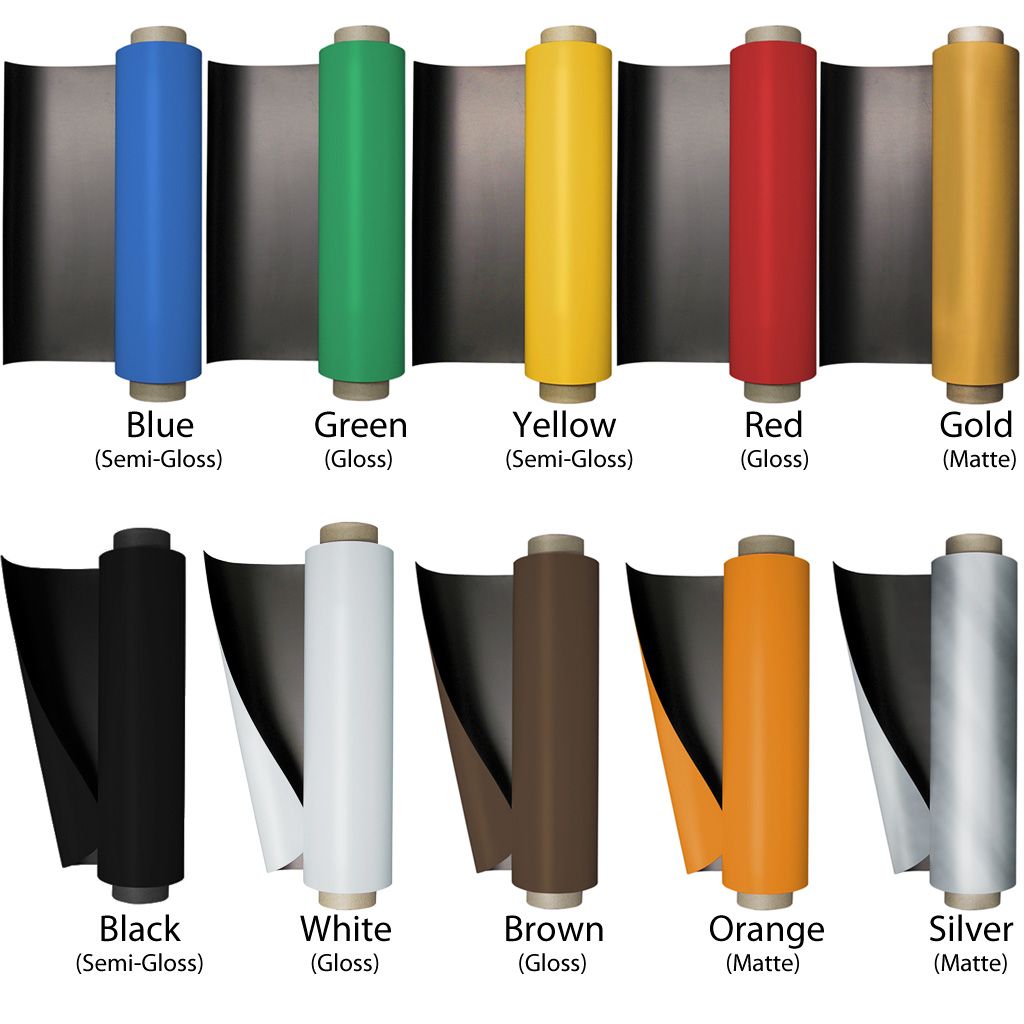
1. Key Performance: High-Quality vs Low-Quality Flexible Rubber Magnet

The fastest way to tell a High-Quality Rubber Magnet from a dud is to check their core performance. Below is a data comparison table (tested at 25℃, normal humidity, no magnetic interference) that reveals the stark differences—keep this handy as your go-to Rubber Magnet Buying Tips reference.

Performance Indicator

High-Quality Flexible Rubber Magnet

Low-Quality Flexible Rubber Magnet

Key Advantage of High-Quality

Magnetism Retention (1 year)

≥95%

≤70%

Long-lasting magnetism, no frequent replacement

Bending Resistance (Minimum Radius)

0.25 inch (6.35mm)

1 inch (25.4mm)

Flexible, no cracking, fits curved surfaces

Operating Temperature Range

-40℃ ~ 80℃

0℃ ~ 50℃

Adapts to indoor/outdoor, no performance loss

Magnetic Powder Content

65% ~ 70%

≤50%

Stronger adsorption, stable performance

Service Life

10 ~ 15 years

1 ~ 2 years

Cost-saving, low maintenance

2. Rubber Magnet Buying Tips: 3 Easy Ways to Spot Quality

You don’t need fancy tools to identify a High-Quality Rubber Magnet—just follow these 3 simple Rubber Magnet Buying Tips, and you’ll never get scammed again. First, test flexibility: a top-tier Flexible Rubber Magnet bends to 0.25 inches (6.35mm) without cracking or losing magnetism; low-quality ones snap or crack instantly. Second, check magnetism uniformity: use a gaussmeter (or even a small metal object) to test different spots—high-quality magnets have consistent pull, while low-quality ones have spotty, weak areas. Third, inspect the surface: smooth, bubble-free, and uniform means quality; uneven texture or visible magnetic powder clumps mean cheap materials. These quick checks save you time and money.
3. Why High-Quality Rubber Magnet Is Worth Investing In

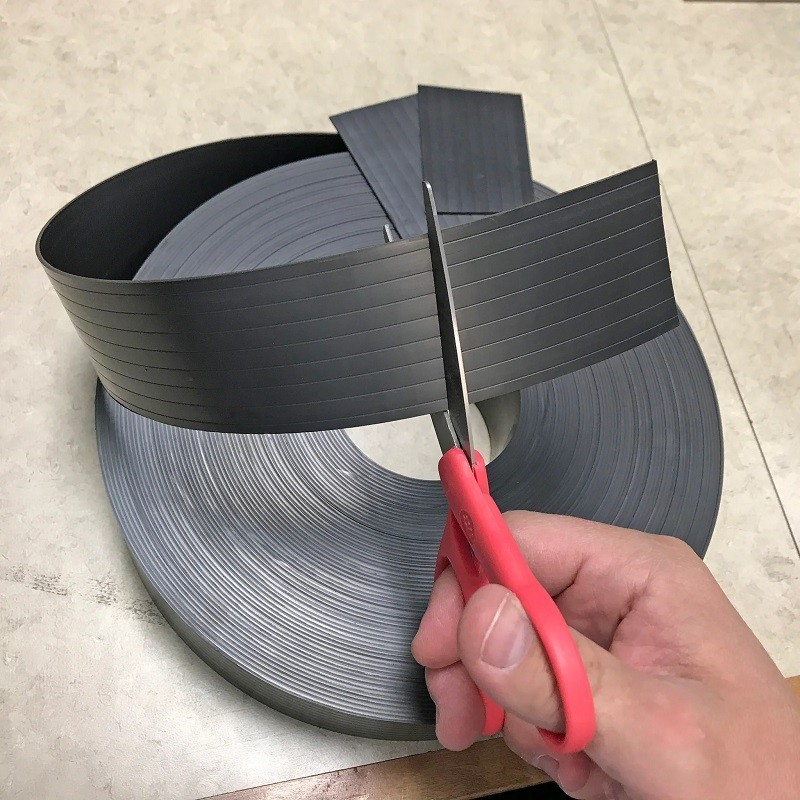
Choosing a High-Quality Rubber Magnet isn’t just a purchase—it’s a cost-saving move that solves your biggest pain points. Unlike low-quality magnets that fail in 1-2 years, high-quality ones last 10-15 years with ≥95% magnetism retention after 1 year, cutting replacement costs drastically. Their superior bending resistance (0.25-inch radius) and wide temperature range (-40℃ ~ 80℃) make them perfect for indoor/outdoor use—from fridge magnets to industrial door seals. Plus, they’re lightweight, easy to cut, and durable, so you can use them for advertising, home, or industrial needs. A High-Quality Rubber Magnet protects your time, your brand, and your bottom line.

Xiamen kings magnet Co., Ltd. is committed to the production of high-performance, high-precision, and high-difficulty magnetic materials. Welcome to consult.


FAQ

Q1: Can I judge a Flexible Rubber Magnet’s quality by its appearance alone?
A1: No. Low-quality and high-quality flexible rubber magnets look almost identical. You need to test flexibility, magnetism uniformity, and check the magnetic powder content—appearance only can’t reflect performance, which is a common mistake in Rubber Magnet Buying Tips.

Q2: What’s the difference between isotropic and anisotropic High-Quality Rubber Magnets?
A2: Isotropic flexible rubber magnets have lower magnetism (max energy product ≤0.63 MGOe) and are suitable for light-duty use like fridge magnets. Anisotropic ones have stronger magnetism (max energy product ≥1.35 MGOe) and are ideal for industrial applications like door seals and automotive parts.

Q3: Are high-quality flexible rubber magnets waterproof?
A4: Most High-Quality Rubber Magnets have a protective coating (like PVC) that makes them waterproof and corrosion-resistant, suitable for outdoor use (e.g., outdoor magnetic signs). Low-quality ones lack this coating and will lose magnetism when exposed to water or moisture.
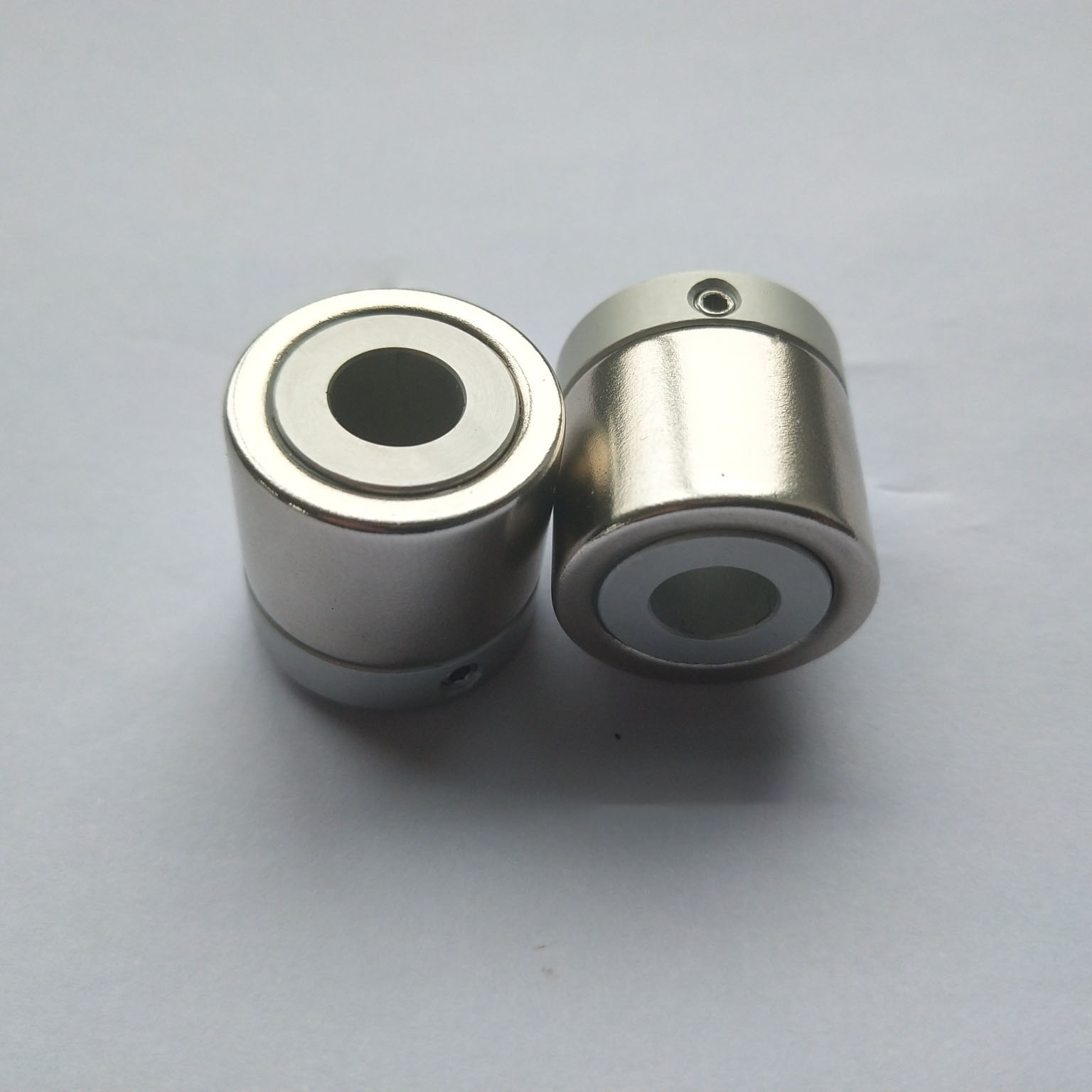
 

Corrosion Resistant Magnetic Drive Wheel Solve Your Corrosion & Wear Pain Points Efficiently

Introduction: The Hidden Cost of Traditional Magnetic Drive Wheels in Corrosive Environments

In industrial environments—whether chemical plants, underwater operations, or wastewater treatment facilities—magnetic drive wheels are core components that ensure smooth power transmission. However, traditional magnetic drive wheels often fail to withstand the erosion of corrosive media such as acids, alkalis, and saltwater, leading to frequent replacement, high maintenance costs, and unexpected production shutdowns. These issues not only increase operational expenses but also disrupt production schedules, becoming a major bottleneck for enterprises pursuing efficiency. This is where the Corrosion Resistant Magnetic Drive Wheel comes in, designed to target these pain points and deliver long-lasting, stable performance that redefines industrial transmission reliability. As a professional solution for harsh environments, our Corrosion Resistant Magnetic Drive Wheel integrates durability and efficiency, and its High Efficiency Magnetic Drive ensures seamless power transfer, becoming the first choice for enterprises seeking to reduce costs and increase efficiency. Crafted with premium 316L Stainless Steel Magnetic Wheel casing, it stands out in harsh corrosive conditions.

Key Pain Points of Traditional Magnetic Drive Wheels (And How We Solve Them)

The biggest pain point of traditional magnetic drive wheels is their poor corrosion resistance: ordinary magnetic materials and casings are easily oxidized and corroded when in contact with corrosive fluids or humid environments, with an average service life of only 3-6 months. Frequent replacement not only consumes a lot of manpower and material resources but also leads to unplanned production downtime, causing huge economic losses. In contrast, our Corrosion Resistant Magnetic Drive Wheel adopts 316L marine-grade stainless steel casing and epoxy resin encapsulated neodymium-iron-boron magnets, effectively isolating corrosive media from internal components. This 316L Stainless Steel Magnetic Wheel design not only extends the service life to 24-36 months (8 times longer than traditional products) but also eliminates the need for frequent disassembly and maintenance, greatly reducing labor and replacement costs for enterprises. What’s more, the High Efficiency Magnetic Drive design ensures that power transmission is not affected by corrosion, maintaining stable and efficient operation even in harsh conditions, which is a key advantage of our Corrosion Resistant Magnetic Drive Wheel.

Data Comparison: Corrosion Resistant Magnetic Drive Wheel vs. Traditional Products

To help you clearly see the advantages of our Corrosion Resistant Magnetic Drive Wheel, here is a detailed data comparison with traditional magnetic drive wheels, so you can intuitively understand the value of our product in solving pain points and creating benefits—especially the advantages of our 316L Stainless Steel Magnetic Wheel and High Efficiency Magnetic Drive:

Performance Indicator

Traditional Magnetic Drive Wheel

Corrosion Resistant Magnetic Drive Wheel

Improvement Rate

Service Life

3-6 months

24-36 months

700%-800%

Corrosion Resistance (Acid-Alkali Test)

Severe corrosion after 72 hours

No corrosion after 1000 hours

≥99%

Maintenance Frequency

Once every 1-2 months

Once every 12 months

Reduce by 80%

Transmission Efficiency

85%-90%

95%-98%

Improve by 6%-13%

Core Advantages: Why Choose  Corrosion Resistant Magnetic Drive Wheel?

In addition to excellent corrosion resistance, the Corrosion Resistant Magnetic Drive Wheel also maintains high magnetic penetration and transmission stability, which is closely related to optimized design and high-quality materials. The 316L Stainless Steel Magnetic Wheel casing has strong anti-corrosion and anti-wear performance, which can adapt to various harsh industrial environments—far superior to ordinary magnetic wheel casings. Unlike traditional products that lose magnetic force in humid or corrosive environments, The Corrosion Resistant Magnetic Drive Wheel uses optimized magnetic circuit design, ensuring that the magnetic force remains stable even when there is a small gap caused by biofouling or coatings. This means it can be widely used in underwater robots, chemical equipment, and other harsh scenarios, providing reliable power transmission without leakage or failure—another key benefit that solves the "unstable operation" pain point of traditional products. Moreover, our High Efficiency Magnetic Drive technology ensures that the product maintains high transmission efficiency while being corrosion-resistant, helping enterprises improve production efficiency while reducing costs, making the Corrosion Resistant Magnetic Drive Wheel a cost-effective choice.

Epilogue

Whether you are struggling with frequent replacement of magnetic drive wheels due to corrosion, or facing high maintenance costs and production losses caused by component failure, our Corrosion Resistant Magnetic Drive Wheel is the optimal solution. Xiamen kings magnet Co., Ltd. has been deeply engaged in the magnetic industry for more than ten years, providing you with professional magnetic solutions. We are committed to the research and production of high-performance, high-precision, and high-difficulty products, truly meeting customers' maximum needs for product applicability, economy, and reliability!


FAQ (Frequently Asked Questions)

Q1: What scenarios are suitable for the Corrosion Resistant Magnetic Drive Wheel?

A: It is widely applicable to harsh industrial environments such as chemical processing, underwater robot operations, wastewater treatment, marine equipment, and pharmaceutical production. It can work stably in environments with corrosive media (acids, alkalis, saltwater) and high humidity, and is also suitable for high-cleanliness scenarios such as semiconductor manufacturing. The 316L Stainless Steel Magnetic Wheel and High Efficiency Magnetic Drive design make it adaptable to various complex working conditions, providing reliable power support for your production.

Q2: Is the Corrosion Resistant Magnetic Drive Wheel customizable according to actual needs?

A: Yes, we provide customized services. We can adjust the size, magnetic force, and coating material of the magnetic drive wheel according to your specific working conditions (such as corrosion intensity, temperature, and load requirements) to ensure that it perfectly matches your equipment and achieves the best transmission effect. Whether you need a 316L Stainless Steel Magnetic Wheel with specific specifications or a High Efficiency Magnetic Drive design adapted to special scenarios, we can meet your personalized needs.


How to Verify Magnet Grade (N35 vs N52) with a Gaussmeter?

Don’t Get Scammed! Verify N35 vs N52 with a Gaussmeter

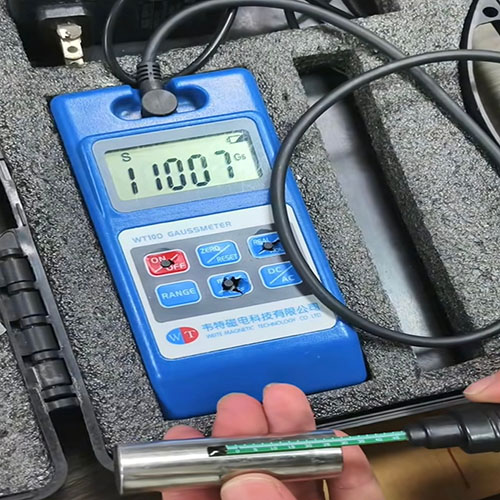
If you work with neodymium magnets—whether you’re a manufacturer, engineer, or buyer—you know this painful truth: Unscrupulous suppliers are passing off low-grade N35 magnets as high-grade N52, costing you thousands in rework, product failures, and missed deadlines. The worst part? N35 and N52 look exactly the same—no visual inspection can tell them apart. But here’s the good news: You can stop the fraud cold with a Gaussmeter for Magnet Grade, the only reliable tool for N35 vs N52 Verification. In this guide, we’ll break down the key differences, step-by-step verification methods, and why a gaussmeter is non-negotiable, with real data to help you protect your business.

Testing the magnet with a gaussmeter


1. Key Difference: N35 vs N52 Surface Gauss Readings

To accurately distinguish N35 from N52, you first need to understand their core difference: surface gauss values. For magnets of the same size, N52 has a significantly higher gauss reading than N35. Below is a data comparison table (measured with a calibrated Gaussmeter for Magnet Grade) that clearly shows the standard ranges you need to reference, tested under standard conditions (20℃, no external magnetic interference, 10mm×3mm disc magnet, probe 0.1mm from the surface).

Magnet Grade

Magnet Specification

Typical Surface Gauss (G)

Maximum Energy Product ((BH)max, MGOe)

Verification Result (Gaussmeter Reading)

N35

10mm×3mm Disc Neodymium Magnet

11700 - 12100

35

≤12100G → Confirmed N35

N52

10mm×3mm Disc Neodymium Magnet

14600 - 14800

52

≥14600G → Confirmed N52

Mislabeled N35 (Passed as N52)

10mm×3mm Disc Neodymium Magnet

11900 - 12000

35

11900-12000G → Fraud Identified


2. Step-by-Step: Verify N35 vs N52 with a Gaussmeter

Once you know the gauss value ranges, performing a reliable Neodymium Magnet Grade Test is straightforward. Follow these 4 simple steps with your Gaussmeter for Magnet Grade to avoid scams: First, calibrate your gaussmeter with a certified reference magnet—uncalibrated devices give misleading readings, rendering your test useless. Second, place the magnet on a non-magnetic surface (such as plastic or wood) to avoid external interference, which can skew results by up to 10%. Third, hold the probe 0.1mm from the magnet’s surface (the optimal position for accuracy) and take 3-5 readings from different spots, as magnetic fields are not perfectly uniform. Finally, compare your average reading to the table above: ≤12100G means it’s N35, ≥14600G means it’s N52, and any reading in between indicates fraud or low quality.


3. Why Gaussmeter for Magnet Grade Is a Must-Have

A Gaussmeter for Magnet Grade is not just an optional tool—it’s your best defense against fraud and costly business losses. The benefits are tangible: you’ll avoid purchasing mislabeled magnets, ensure your products meet performance standards (N52 is 49% stronger than N35 of the same size), reduce rework and replacement costs, and build trust with your customers. Whether you’re buying magnets in bulk or testing in-house production, N35 vs N52 Verification with a gaussmeter is fast, portable, and affordable—no complex lab tests required. It’s a low-effort, high-impact step that directly protects your bottom line.


Xiamen kings magnet Co., Ltd. specializing in the customization and production of magnetic materials and magnetic components, provides professional design solutions, welcome to consult!

N35 neodymium magnet


FAQ

Q1: Can temperature affect gaussmeter readings during N35 vs N52 Verification?
A2: Yes—neodymium magnets lose about 0.13% of their magnetic strength per ℃ above 20℃. To ensure accuracy, perform the Neodymium Magnet Grade Test at 20±2℃. If testing in extreme temperatures, adjust readings accordingly (e.g., a 30℃ reading of 14400G for N52 is equivalent to 14582G at 20℃).

Q2: Why do some N52 magnets have slightly lower gaussmeter readings than the standard range?
A3: Minor variations (±100G) are normal due to manufacturing tolerances. However, if readings are consistently below 14600G, the magnet is likely mislabeled (N48 or N50 passed as N52) or has quality issues. Use a Gaussmeter for Magnet Grade to confirm and avoid accepting substandard products.


Recommendation for Magnet Selection

Recommendation for Magnet Selection


1. Project Assessment

Begin by clarifying the application requirements:

 Application Scenario: Identify the purpose (e.g., industrial machinery, consumer electronics, medical devices).

 Force Requirements: Determine the necessary magnetic strength (e.g., high-precision motors require strong magnets like NdFeB)

 Temperature Range: Select materials based on operating temperatures. For example:

 N-series NdFeB: Suitable for 80°C.

 H/SH/UH/AH-series NdFeB: Higher temperature resistance (up to 230°C)

 Environmental Conditions: Consider corrosion risks (e.g., NdFeB requires nickel or epoxy coatings for humidity resistance)

2. Magnet Material Selection

Compare key magnetic materials (weakest to strongest):

1. Rubber Magnets: Low cost, flexible (ideal for signage, calendars, crafts)

2. Ferrite Magnets: Affordable, widely used in motors and speakers

3. AlNiCo Magnets: High-temperature tolerance (~500°C), stainless appearance (suitable for instruments)

4. Samarium Cobalt (SmCo): Heat-resistant (150300°C), brittle but durable in harsh environments

5. Neodymium (NdFeB): Highest magnetic strength, cost-effective, but prone to oxidation (requires coatings)

3. Supplier Communication Strategy

When contacting clients (e.g., manufacturers or distributors):

 Key Questions to Ask:

 Do you provide customized shapes (e.g., discs, rings, blocks)?

 What certifications do your products hold (e.g., ISO, RoHS)?

 Can you share test reports for magnetic performance and durability?

 Sample Request: Request samples to verify quality and compatibility with your application.

 Cost and Lead Time: Compare pricing and delivery timelines across suppliers.